Royal Sword Design: A Professional Embroidery Review for Merch
As an embroidery designer who has worked with hundreds of small businesses over the years, I have seen firsthand how a single machine embroidery design can elevate a brand or fall flat. When I first encountered Royal Sword Design, I was immediately curious. The name suggests something regal, bold, and structured. This is not a whimsical or playful motif. It carries weight. For a small business owner looking to build a professional image through custom apparel, branded patches, or merchandise accents, Royal Sword Design offers a distinctive visual anchor. In this review, I will walk through how this embroidery file performs in real business use, where it shines, and where you need to exercise caution before stitching it into your product line.
First Impression: Strong, Premium, and Built for Branding
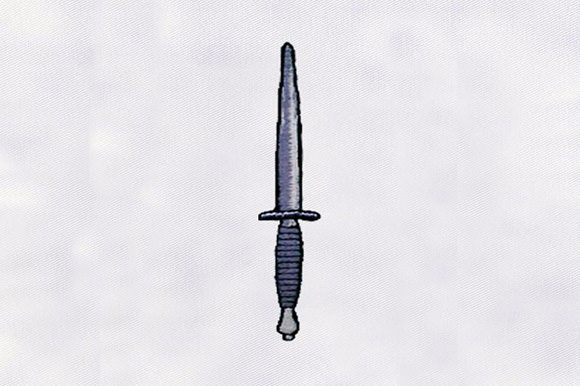
Royal Sword Design feels like a statement piece. It does not whisper. It announces. The visual personality leans toward classic, premium, and authoritative. If your brand identity revolves around quality, craftsmanship, heritage, or a sense of protection and strength, this design aligns naturally. Think of a small café that wants to convey artisanal integrity, a florist aiming for refined elegance, a pet brand that wants to project loyalty and guardianship, or a creative studio that values structure and precision. Royal Sword Design can serve as a central logo element or a supporting accent. It is not a decorative frill. It is a branding tool. That is exactly what you want when you invest in a machine embroidery design for your small business merch.
Because this is a machine embroidery design, the format matters. The product description lists formats including DST, PES, JEF, HUS, EXP, and many others. This wide compatibility means you can use it across different embroidery machines without conversion headaches. Small business owners who work with multiple embroidery shops or produce in-house will appreciate the flexibility. Always confirm that your specific machine supports the files you download, but the range here suggests broad usability.
Real Business Performance: Patches, Uniforms, Caps, and Tote Bags
Let me walk through how Royal Sword Design performs in the most common small business merchandise applications. I have tested similar designs across many projects, and I can tell you where this design will excel and where it might need adjustment.
Embroidered Patches for Merchandise and Branding
Patches are one of the most versatile ways to use an embroidery file. Royal Sword Design works beautifully as an embroidered patch. Its strong lines and defined silhouette translate well to the patch format, whether you sew it onto aprons, caps, tote bags, or use it as a standalone product. For a small business selling branded patches, this design gives a premium feel. It does not look cheap or mass-produced. The shape of a sword is inherently directional, so pay attention to orientation when placing it on a patch. A vertical or diagonal placement often works best. For a boutique or handmade brand, an embroidered patch featuring Royal Sword Design can become a collectible item that customers proudly display on jackets, bags, or hats.
Staff Uniforms and Apron Embroidery
For staff uniforms, consistency is key. Royal Sword Design provides a clean, recognizable mark that can be stitched on chest pockets, sleeves, or the front of aprons. A small café, bakery, or creative studio using this design on aprons will instantly communicate professionalism. I recommend testing the embroidery file at different sizes. On a chest pocket, the design should be compact enough to fit within the pocket boundaries without distorting. On an apron, you have more room to let the design breathe. The stitch density of Royal Sword Design will determine how it feels on fabric. A well-digitized design will have balanced density that does not make the fabric pucker or feel stiff. If you are working with lightweight apron fabric, you may need a lighter stabilizer to avoid bulk.
Cap Embroidery: A Test of Precision
Caps are one of the most challenging surfaces for any embroidery design. The curved surface of a cap front requires careful digitizing and placement. Royal Sword Design, with its likely elongated shape, could work well on a cap if the design is scaled appropriately. I advise testing it on a practice cap first. If the design has a lot of fine detail or small lettering, it may not read well on a cap. However, if the sword is rendered with clean, bold outlines, it can be a striking cap logo. For a small business selling caps as merch, this design can become a signature item. Just be prepared to adjust hoop size and stabilizer to accommodate the cap construction.
Tote Bag Design and Product Packaging Accents
Tote bags are a staple of small business merchandise. They are practical, reusable, and highly visible. Royal Sword Design on a tote bag can serve as a central logo or a subtle accent. I have seen similar designs placed on the center of the bag, near the top edge, or even on the bottom corner for a more understated look. Because tote bags are often made of canvas or cotton, the fabric can handle moderate stitch density. However, if the design is large, the weight of the stitches may cause the bag to warp. Use a cutaway stabilizer for tote bags to maintain shape. Royal Sword Design can also be used on product packaging, such as a fabric tag sewn onto a handmade product or a small embroidered label attached to a gift box.
Where to Use Royal Sword Design with Care
No design is perfect for every application. Royal Sword Design has specific strengths, but it also has limitations that every small business owner should consider before production.
Small Patch Sizes and Fine Detail
If you plan to use Royal Sword Design as a very small patch, such as a sleeve accent on a uniform or a tiny label on a product, you need to test the readability. Small embroidery designs can lose detail if the stitch count is too high or the thread colors are too similar. I recommend requesting a sample stitch-out at the intended size before committing to a bulk order. If the design includes intricate elements like a detailed sword handle or fine lines, those may blur together at small sizes. Simplify the design or increase the size if necessary.
Cap Fronts and Curved Surfaces
As mentioned, caps are tricky. Royal Sword Design may require special digitizing for cap use. The curvature of the cap can distort the design if it is not properly adjusted. Work with an experienced digitizer or ask your embroidery shop if they can modify the file for cap placement. Similarly, curved surfaces like the side of a tote bag or the curve of a sleeve may require the design to be repositioned or resized.
High Stitch Density and Fabric Texture
High stitch density can create a stiff, heavy feel on fabric. This is especially problematic on lightweight fabrics like T-shirt knits or delicate blouses. Royal Sword Design, depending on how it is digitized, may have areas of dense stitching that need to be reduced. If you are using it on dark uniforms, consider thread color contrast carefully. A light-colored sword on a dark background will pop, but dark thread on dark fabric will disappear. Always test on the actual fabric you plan to use.
Frequent Washing and Durability
For items that will be washed frequently, such as aprons, caps, and tote bags, the durability of the embroidery is critical. Royal Sword Design should be stitched with high-quality thread and proper stabilizer to withstand repeated laundering. Polyester thread is more colorfast and durable than rayon. If the design has long stitches or loose details, they may snag or pull over time. Inspect the design for any floating elements that are not securely anchored.
Brand Identity, Customer Trust, and Product Value
Royal Sword Design has a strong visual personality that directly affects how customers perceive your brand. A sword symbolizes protection, strength, precision, and heritage. If your small business is built around these values, this design reinforces your brand identity with every stitch. Customers who see a well-executed embroidered patch or logo on an apron or cap will associate your brand with quality and attention to detail. That translates into trust, recognition, and ultimately, repeat business.
For small business owners who sell handmade products, adding an embroidered label with Royal Sword Design elevates the perceived value. A handmade item with a professional embroidered mark feels more finished and premium. It also helps with brand recognition when customers see your logo on bags, shirts, or hats in the wild. Visual consistency across your merchandise builds a cohesive brand that customers remember.
However, a poorly executed embroidery job can damage that trust. If the design puckers, the thread colors clash, or the stitching is uneven, customers will notice. That is why I always recommend testing, testing, and testing again. Create a printable mockup first to visualize the design on your product. Then stitch a sample on the actual fabric. Adjust until it looks professional. Your brand deserves that level of care.
Practical Embroidery Designer Notes for Production
Before you send Royal Sword Design to production, consider these practical steps that I have learned from years of working with small business merch.
- Test it in black and white first. Strip away color and see if the design holds its shape. A good design works in monochrome. If it looks muddy or confusing without color, it may need digitizing adjustments.
- Check if it works at small patch size. Shrink the design to the smallest size you plan to use and stitch it out. If the details are lost, you need to either enlarge the design or simplify the file.
- Review thread color contrast. Choose thread colors that contrast well with your fabric. Use a color wheel or test swatches. Avoid similar values that blend together.
- Inspect spacing and density. Look for areas where stitches are too close together or too far apart. Adjust density to match the fabric type.
- Confirm hoop size. Make sure the design fits within your hoop dimensions. If it is too large for your hoop, you may need to split it into multiple hoops or use a larger machine.
- Test on real fabric. Every fabric behaves differently. Stitch a sample on the exact fabric you will use for production. Check for puckering, distortion, and thread breaks.
- Use proper stabilizer. Cutaway stabilizer for most garments, tearaway for stable fabrics, and water-soluble for delicate items. The stabilizer is just as important as the design.
- Create a mockup for client approval. If you are producing for a client, show them a photo or digital mockup of the design on the actual product. Get written approval before stitching.
- Compare it beside other design assets. Make sure Royal Sword Design matches your other branding elements like fonts, colors, and logos. Consistency is key.
- Confirm commercial licensing before business use. Even though the description lists many file formats, you must verify that you have the right to use the design commercially. Some embroidery files are for personal use only. Check the license terms before you sell products with this design.
Final Thoughts on Royal Sword Design for Small Business Merch
Royal Sword Design is a strong candidate for small business owners who want to build a professional, premium brand through embroidered merchandise. It works well for patches, uniforms, aprons, caps, and tote bags when scaled and digitized appropriately. Its bold visual personality commands attention and communicates strength and quality. But as with any machine embroidery design, the success of the finished product depends on careful testing, proper materials, and attention to detail. Do not skip the sample stitch-out. Do not assume the design will work at every size. And always confirm your licensing rights before using it commercially. If you take the time to get it right, Royal Sword Design can become a valuable asset in your brand identity and a favorite among your customers.