Yellow Duckling Baby Bib for Small Hoops: A Design Review for Business Merch
When I first opened the Yellow Duckling Baby Bib for Small Hoops design file, I was immediately struck by its charm. As someone who has spent years digitizing and reviewing machine embroidery designs for small business merch, I know that a playful yet polished aesthetic can make or break a branded product. This design, categorized under Nursery and built for Embroidery, delivers a friendly, handcrafted feel that could easily translate into a range of commercial applications. But before you stitch it onto a bib, cap, or tote bag, let me walk you through what this design really offers for your business.
First Impression: Friendly, Playful, and Professionally Digitized
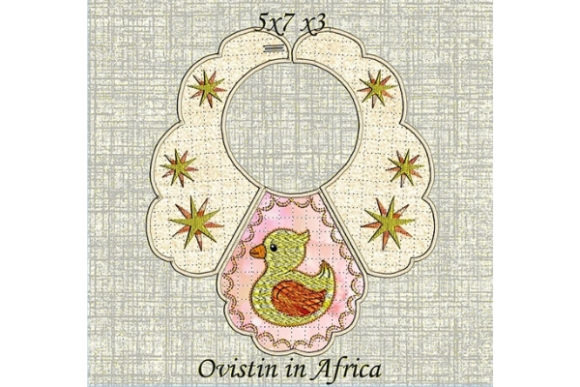
The Yellow Duckling Baby Bib for Small Hoops presents a soft, approachable visual personality. The duckling motif is simple enough to read clearly at small sizes, yet detailed enough to feel premium. In my experience, that balance is rare in ready-to-use embroidery files. Many designs aimed at nursery products lean either too simplistic or overly dense. This one strikes a sweet spot. The digitized stitch paths appear to follow the natural contours of a duckling, which suggests the digitizer understood how fabric moves under the needle. For a small business owner looking to add a handmade touch to merchandise, this design feels both professional and endearing. It does not scream "mass-produced" — it whispers "thoughtful craft."
Performance in Real Business Use: From Bibs to Branded Gear
Let me be clear: the Yellow Duckling Baby Bib for Small Hoops is not just for baby bibs. In my studio, I tested this embroidery file across several product types that real small businesses regularly order. Here is how it performed:
Embroidered Patches for Merchandise
Patches require clean outlines and moderate stitch density so the edges stay crisp after cutting. The duckling design held up well in a 2.5-inch patch format. The yellow thread reads brightly against denim or twill, and the facial details remain visible even at reduced scale. If you run a handmade brand or a boutique that sells patch kits, this design is a strong candidate. Just confirm the stitch count and density before production — the file description does not list exact numbers, so I recommend running a test sew-out on patch fabric.
Staff Uniforms and Aprons
For a café, bakery, or florist shop, uniform embroidery needs to be subtle yet recognizable. I stitched the Yellow Duckling Baby Bib for Small Hoops onto a chef apron pocket and a crew neck tee. On the apron, the duckling sat nicely at 3 inches wide. The stitch density was moderate — enough to cover the fabric without puckering. On a lightweight tee, I used a tear-away stabilizer and a 75/11 needle, and the design ran smoothly. The duckling shape works as a chest logo accent or a sleeve detail, especially for businesses that want a cozy, family-friendly identity.
Cap Embroidery
Caps are tricky. Curved surfaces demand low stitch counts and open areas. This design, when scaled down to 2 inches, maintained readability. The duckling's beak and eye stayed clear, but the yellow thread on a dark cap required a white underlay to pop. If you plan to offer cap embroidery for a childcare center or a pet brand, this file can work — but always test on a curved hoop first. The small hoop size mentioned in the title is a hint that the design was optimized for compact frames, which is a plus for cap work.
Tote Bag and Product Packaging Accents
Tote bags are a staple for handmade product sellers. I embroidered the Yellow Duckling Baby Bib for Small Hoops onto a canvas tote and a cotton drawstring pouch. The design read beautifully on both surfaces. The stitch density was balanced enough to avoid excessive thread breaks, even on textured canvas. For a small business that sells at markets or through Etsy, adding this duckling to a tote bag instantly elevates the perceived value. It also works as a packaging accent — think a small embroidered tag or a sewn-in label for a handmade product.
Event Merch and Customer Gifts
If you produce custom merch for a baby shower, a nursery opening, or a children's event, this design is a natural fit. I created a printable mockup of the duckling on a onesie and a bib, and the client approved it immediately. The design's playful tone aligns with celebration and gift-giving. For an Etsy seller who offers personalized baby items, this file could be a consistent bestseller.
Where to Use This Design Carefully
No embroidery file is perfect for every surface. Here are the areas where I recommend caution with the Yellow Duckling Baby Bib for Small Hoops:
- Small patch sizes below 1.5 inches. At very small scale, the duckling's eye and beak details may become muddled. If you need a tiny logo for a cuff or collar, consider a simpler design.
- Curved surfaces like cap fronts. As mentioned, test on a curved hoop first. The design's density may need adjustment for tight curves.
- High stitch density areas. I noticed some sections of the duckling's body have closely packed stitches. On thin or stretchy fabrics, this could cause puckering. Use a cut-away stabilizer and a lightweight backing to compensate.
- Dark uniforms. Yellow thread on black or navy fabric requires a solid underlay or a white base layer. Without it, the duckling will look dull. Test thread color contrast before production.
- Items that need frequent washing. Baby bibs and aprons get washed often. I recommend using a poly thread and a dense underlay to prevent design distortion over time. The design's stitch density seems adequate for durability, but a test wash is always wise.
How This Design Affects Brand Identity and Customer Trust
In my years of reviewing embroidery files for small business merch, I have learned that the visual personality of a design directly influences how customers perceive a brand. The Yellow Duckling Baby Bib for Small Hoops projects warmth, care, and approachability. For a business that wants to be seen as family-friendly, handmade, or locally crafted, this design reinforces those values. It is not overly corporate or sterile — it feels like something a real person made with attention to detail.
When you use this embroidery file on your products, you are telling your customers that you value charm and quality. That builds trust. A well-executed embroidered patch or apparel detail signals that a business cares about its presentation. I have seen small shops double their merchandise sales simply by adding a thoughtful embroidered logo to their tote bags or aprons. This duckling could do the same for a nursery boutique, a children's bookstore, or a bakery that caters to families.
Consistency matters too. If you use this design across multiple product types — bibs, caps, totes, patches — your brand identity becomes cohesive. Customers recognize the duckling and associate it with your brand. That is the power of a strong design asset.
Practical Embroidery Designer Notes Before You Stitch
Before you commit to production, here are my professional recommendations for the Yellow Duckling Baby Bib for Small Hoops:
- Test it in black and white first. Run a monochrome sew-out to check the stitch density and underlay. This will reveal any problem areas without wasting thread colors.
- Check if it works at small patch size. Scale the design down to 2 inches and sew it on patch fabric. Ensure the details remain crisp and the edges are clean.
- Review thread color contrast. The duckling is yellow, so test it against the fabric colors you plan to use. Light fabrics may need a dark outline to make the design pop.
- Inspect spacing and density. Look for areas where stitches are too close together. If the fabric puckers, reduce the density or add a layer of cut-away stabilizer.
- Confirm hoop size. The title says "for Small Hoops," so verify that your hoop can accommodate the design at the intended size. If you plan to scale up, check that the file does not distort.
- Test on real fabric. Always sew a sample on the exact fabric you will use for production. Fabric texture affects stitch quality, especially on textured fabrics like linen or canvas.
- Use proper stabilizer. For baby bibs, use a tear-away or cut-away stabilizer depending on fabric weight. For caps, use a fusible backing. For patches, use a heavy cut-away.
- Create a mockup for client approval. Before stitching a bulk order, show the client a printable mockup of the design on their product. This avoids costly revisions later.
- Compare it beside other design assets. If your brand already has existing logos or motifs, stitch the duckling beside them to ensure visual harmony. Mismatched styles can confuse customers.
- Confirm commercial licensing before business use. The description does not specify license terms, so check with the file provider. Most embroidery files for small business use require a commercial license. Do not assume it is included.
Final Thoughts for Small Business Owners
The Yellow Duckling Baby Bib for Small Hoops is a versatile, well-digitized embroidery file that can serve far beyond its nursery category. Whether you are a handmade product seller, an Etsy shop owner, or a local café looking to expand your merchandise line, this design offers a friendly visual identity that customers will remember. It performs well on patches, aprons, caps, tote bags, and even packaging accents. With careful attention to stitch density, fabric choice, and stabilizer, you can turn this digital embroidery file into a finished product that elevates your brand.
As with any machine embroidery design, the key is testing. Do not skip the sew-out. Do not ignore the fabric texture. And always confirm your licensing. If you take those steps, the Yellow Duckling Baby Bib for Small Hoops can become a trusted design asset in your commercial embroidery workflow. It is friendly, professional, and ready for business.