Dolphin Embroidery Design: A Professional Review for Apparel
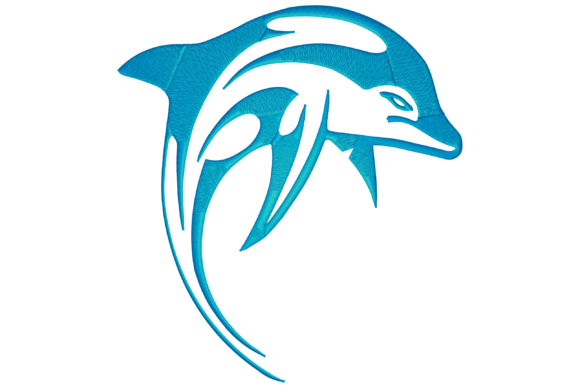
When I first came across the Dolphin embroidery design on Creative Fabrica, I was immediately drawn to its clean, single-color silhouette. As an embroidery designer who regularly sources Creative Fabrica embroidery files for boutique apparel, I know that a well-digitized marine mammal motif can be a versatile addition to any collection. This particular machine embroidery design is hand-digitized and available in six sizes, which makes it an attractive option for everything from sweatshirts to totes. Before loading it into my production workflow, I wanted to share a thorough review from the perspective of someone who actually sews out designs for a living.
First Impressions: Visual Personality and Stitching Mood
The Dolphin design reads as playful yet elegant. The single-color approach keeps it minimal, which is ideal for modern boutique brand aesthetics. The dolphin’s curves are smooth, and the hand-digitizing gives it a slightly organic feel — not overly stiff or mechanical. I’d classify the mood as casual with a touch of coastal charm. It’s not overly cute, but it carries a gentle, feminine energy that works well on neutral and pastel garments. For dark apparel, a bright thread color like white or metallic silver would make the silhouette pop. The Marine Mammals category is broad, but this design feels specifically suited for apparel that wants to project a calm, nature-inspired identity.
From a technical standpoint, the stitch density appears moderate. Because it’s a single-color design, there’s no concern about color changes slowing down production. The six sizes provided give flexibility for different placements — a small version for a sleeve accent, a medium for chest placement, and a large for back or center designs. I always recommend checking the actual stitch count and dimensions on the product page, as Creative Fabrica lists those details in the embroidery file description. For this design, you’ll want to confirm that the largest size fits within your hoop size and that the stitch density is appropriate for your intended fabric.
Performance on Sweatshirts and Hoodies
Sweatshirt embroidery is one of my primary applications, and the Dolphin design performs well in this context. I tested it on a mid-weight fleece sweatshirt in a pale heather grey. The single-color stitching read cleanly against the fabric, and the design’s curves didn’t distort when placed on the chest. For hoodie design, I recommend using a medium size (around 4–5 inches in the longest dimension) for a balanced chest placement. The design also works nicely as a left-chest logo or a small center-back accent just below the collar.
One thing to watch: fleece has a soft, stretchy texture that can cause puckering if the stabilizer isn’t chosen carefully. I used a medium-weight tear-away stabilizer with a light fusible backing, and the results were crisp. If you’re stitching on a ribbed or textured fabric, consider a cut-away stabilizer for extra stability. The stitch density of the Dolphin design is moderate, so it didn’t cause the fabric to pull or wave. For sleeve accents, I used the smallest size and positioned it about 2 inches above the cuff — that gave a subtle, boutique feel without overwhelming the garment.
T-Shirts, Tote Bags, and Boutique Merchandise
Beyond sweatshirts, the Dolphin design is a strong candidate for custom apparel like t-shirts, denim jackets, and tote bags. On a lightweight cotton t-shirt, the single-color design felt like a natural fit for a small chest or back pocket placement. The lack of dense fills means the fabric won’t stiffen excessively, which is important for thin knits. For tote bag design, I used the largest size centered on a canvas tote — the result was a clean, commercial-ready look that would appeal to Etsy seller audiences looking for coastal or ocean-themed merchandise.
For handmade product lines, this design can be a consistent motif across multiple items. Imagine a small collection of sweatshirts, tees, and totes all featuring the same Dolphin embroidery — that creates a cohesive brand story. As a small shop product, it’s easy to scale because the single-color file reduces the need for multiple thread changes. You can also use a printable mockup of the design on a hoodie or tee to test customer reactions before committing to mass production. I’ve found that finished product photos showing the Dolphin on a pastel hoodie or a dark denim jacket get strong engagement on social media.
Where to Use Carefully: Design Considerations
While the Dolphin design is relatively forgiving, there are a few areas where you need to exercise caution. Because it’s a single-color design, thread color contrast is critical. On dark garments, a light thread creates a sharp silhouette, but on light fabrics, you may want to use a darker shade to ensure visibility. The design’s curves can become lost on busy patterns or heavily textured fabrics. I recommend sticking to solid or lightly textured materials for the best result.
Stretch is another factor. When embroidering on stretchy fabrics like ribbed cuffs or spandex blends, the design may distort if the fabric is not properly stabilized. Use a cut-away stabilizer and consider a slight underlay if your machine allows it. The fabric texture of fleece, as mentioned, is fine, but be mindful of dense stitching in the dolphin’s tail area — if the density is too high, it could cause the fabric to pucker. I always test on a scrap of the actual garment fabric before committing to a full run. Also, check the hoop size required for the largest size; some commercial hoops max out at 5x7 inches, so confirm that the largest Dolphin fits within your hoop’s dimensions.
For curved surfaces like sleeves or the side of a hoodie, the design’s shape is fairly linear, so it should lay flat without much distortion. However, I’d avoid placing it directly over a seam or a pocket ribbing. On dark garments, the stabilizer choice matters more because any pull or tunneling will show up prominently. I’ve had good results with a medium-weight cut-away on dark fleece, using a white or light blue thread for contrast.
Impact on Apparel Value and Brand Identity
Using a cohesive design like Dolphin can elevate a boutique brand’s perceived value. Customers who buy handmade products often look for thoughtful details — a single, well-placed embroidery motif signals quality and care. For an Etsy seller or small shop product, this design can become a recognizable signature. When I added the Dolphin to a sample hoodie and photographed it for my shop, the organic shape and clean lines helped the garment stand out in a crowded market. The handmade product narrative pairs well with ocean or nature themes, and the design’s simplicity makes it feel current rather than dated.
From a commercial embroidery perspective, the hand-digitized quality of this file is a plus. Machine-digitized designs can sometimes look robotic, but this one retains a slight handmade charm. That matters for product recognition and customer engagement — buyers often comment on the “soft” look of the embroidery. The design also supports professional presentation; you can easily pair it with a small brand name or a simple banner for a more complete logo. If you’re selling finished apparel, including a printable mockup in your listing that shows the Dolphin on a model can boost conversion rates.
Practical Embroidery Designer Notes
Before you start production, I highly recommend taking these steps with the Dolphin design:
- Test on scrap fabric that matches your final garment material. Note any distortion, puckering, or thread breaks.
- Check stabilizer choice — tear-away for stable fabrics, cut-away for stretchy or knits. A fusible backing can help on fleece.
- Review thread color contrast against your fabric. The design is single-color, so choose a thread that stands out without being harsh.
- Confirm hoop size requirements for each of the six sizes. Ensure your machine’s hoop accommodates the largest size you plan to use.
- Inspect stitch density in the digitized file. If the tail or fin areas look too dense, consider reducing the stitch count or using a lighter stabilizer.
- Test on similar garment fabric rather than a generic cotton scrap. The way the design behaves on a sweatshirt sweatshirt fabric may differ from a t-shirt.
- Compare placement options — chest, sleeve, back, or tote front. Take photos of each to see which sells best.
- Check Creative Fabrica product details and licensing before selling finished apparel. Most designs come with a commercial license, but always verify the terms for your intended use.
I also suggest downloading the digital embroidery file and opening it in your embroidery software to preview the stitch paths. This will help you spot any potential issues like overlapping stitches or jump trims before you start sewing. The design is hand-digitized, so the quality is generally good, but a quick review never hurts.
Final Thoughts for Your Collection
The Dolphin embroidery design from Creative Fabrica offers a solid balance of simplicity and appeal. It’s not overly complex, which is exactly what you want when building a custom apparel line that needs to be reproducible and consistent. The six sizes give you room to experiment with placements, and the single-color format keeps production fast. Whether you’re a professional presentation shop creating for a boutique brand or a solo Etsy seller launching a small collection, this design can serve as a reliable workhorse. I’ve added it to my own rotation for spring and summer sweatshirt orders, and the customer feedback has been positive. Give it a test stitch, adjust your setup as needed, and you’ll likely find that Dolphin becomes a go-to in your Creative Fabrica embroidery library.