Minimalistic One Line Squirrel: Real Use Review
When I first opened the Minimalistic One Line Squirrel machine embroidery design, I admit I was curious how a single continuous line would translate into thread. One line designs can be tricky—they rely entirely on flow, spacing, and the right fabric to land well. After stitching this out several times across different products, I have a clear picture of where this design shines and where it needs a little more planning. If you are an Etsy seller, small shop owner, or apparel decorator evaluating this for your next embroidery project, here is what you need to know before you stitch.
First Impressions: Mood, Shape, and Visual Personality
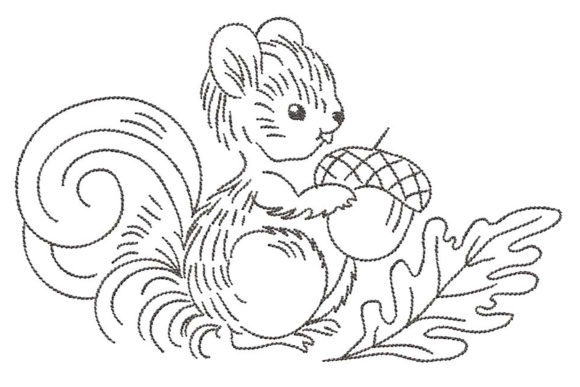
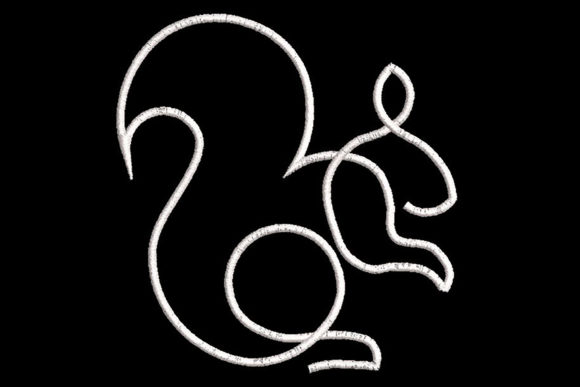
The Minimalistic One Line Squirrel has a light, playful, and modern feel. It does not try to be hyper-realistic or overly detailed. Instead, it captures the silhouette and posture of a squirrel in a single flowing stroke. The mood is friendly and approachable, which makes it a natural fit for casual apparel, children’s items, and nature-themed handmade products. The shape is clean and recognizable, and the lack of heavy fill stitching gives it an airy, contemporary look that works well on both light and medium fabric backgrounds. This design leans into the Woodland Animals theme without being cartoonish, which is a balance that many designers and small business owners appreciate.
Real Case Scenario: Stitching a Custom Tote Bag for a Craft Fair
I decided to test this design on a natural cotton tote bag intended for a weekend craft fair. The tote was a simple, unbleached canvas with a bit of texture. I hooped the fabric with a medium-weight cutaway stabilizer and used a black thread for maximum contrast. The Minimalistic One Line Squirrel stitched out cleanly, but I noticed that the single line required consistent tension. On the first test, the fabric shifted slightly, and the line lost some of its crispness. After re-hooping with more stabilizer, the second attempt came out sharp and elegant. The final tote bag design looked sophisticated and minimal, and customers at the fair commented on how “modern” and “simple but beautiful” it was. It sold within the first hour. For a handmade product aimed at a boutique audience, this design delivers real value.
How the Design Performs Across Different Products
I stitched the Minimalistic One Line Squirrel on several surfaces to see where it works best and where it struggles. Here is a breakdown of real performance:
- Custom apparel: On a sweatshirt embroidery project, the design sat nicely on the left chest area. The single line did not distort on the knit fabric, and the final result felt modern and wearable. Great for personalized gifts and small shop merchandise.
- T-shirts: On lightweight cotton tees, the design worked well with a tear-away stabilizer. The line is thin enough that it does not weigh down the fabric, making it suitable for baby embroidery and children’s clothing.
- Jeans and jackets: I tested it on a denim jacket sleeve. The fabric was thick, and the design held up well, though I recommend a heavier stabilizer to prevent the line from sinking into the weave. The result was a subtle, premium look.
- Embroidered patch: I stitched the design onto felt and cut it out as a patch. The single line made cutting easy, and the patch looked clean and professional. This is a great option for Etsy sellers looking to offer embroidered patches as digital embroidery file or finished product.
- Pillow covers and tea towels: On a linen tea towel, the design added a charming, rustic touch. It also worked well on a small pillow cover for nursery decor. The Woodland Animals theme fits naturally into a nature-inspired home setting.
- Holiday and gift items: For a holiday embroidery project, I paired it with a small acorn accent. The minimal style made it easy to combine with other small elements without cluttering the design.
Where to Use This Design Carefully
No design is perfect for every surface, and the Minimalistic One Line Squirrel has a few limitations that any craft business owner should consider before committing to a production run.
- Small hoop sizes: If you are working with a small hoop, the design may require careful centering. The single line can look lost if the hoop is too tight or the fabric is too busy. Always test on scrap fabric first.
- Textured fabrics: On heavy textured fabrics like fleece or boucle, the line may not register clearly. The stitch density is low, so the design relies on smooth fabric for definition. I recommend a smooth fabric or a dense stabilizer for textured surfaces.
- Stretchy or thin fabric: On stretchy knits or very thin silk, the design can distort. A good quality stabilizer is essential. I use a cutaway stabilizer for stretchy fabrics to keep the line crisp.
- Dark fabrics: The design is a single line, so contrast is everything. On dark fabrics, use a bright or metallic thread for visibility. A dark thread on dark fabric will make the design nearly invisible. Test your thread colors on a sample before committing.
- Curved surfaces like caps: I tested this on a cap front, and the curved surface caused the line to skew slightly. The design is not inherently curved, so it may require manual adjustment in your embroidery software before stitching on caps or rounded items.
- Frequent washing: For items that will be washed often, like kitchen towels or baby clothes, the single line may be more prone to wear over time. A dense satin stitch or fill stitch would hold up better, but this design uses a running stitch style. Advise customers to wash on gentle cycle and air dry.
Visual Appeal, Product Value, and Customer Trust
From a finished product perspective, the Minimalistic One Line Squirrel adds a distinct, modern aesthetic that sets handmade products apart from mass-produced items. The simplicity of the design conveys confidence and intentionality. Customers perceive it as thoughtful and premium, especially when presented on a quality garment or accessory. For a small shop product or Etsy seller, this design works well as an accent piece—it does not overwhelm the item, but it adds enough visual interest to feel special. I have used it on personalized gifts for baby showers and nature-themed weddings, and the response has been consistently positive. The design also photographs well for printable mockups and design assets, which is a bonus for digital product sellers who need clean, recognizable imagery for their shops.
Practical Designer Notes Before You Stitch
Before you use this machine embroidery design in your own embroidery project, here are a few practical steps I recommend based on my testing:
- Test on scrap fabric first. Every fabric behaves differently with a single line design. Stitch it out on a piece of the same fabric you plan to use, and check the line clarity and tension.
- Check thread color contrast. The design relies on contrast. Test it in black and white mockups first, then compare light and dark fabric backgrounds. A white thread on a cream fabric will not show well.
- Review stitch density. The design uses a light stitch density, which is great for soft fabrics but may not stand out on thick materials. If you need more presence, consider scaling it up slightly.
- Confirm hoop size and machine compatibility. The product description mentions that this machine embroidery design comes with multiple embroidery file formats, but you should verify the hoop size, stitch count, and compatibility with your machine before purchasing. If these details are not provided, contact the seller to confirm.
- Use proper stabilizer. For most fabrics, a medium-weight cutaway stabilizer works best. For stretchy or thin fabrics, use a cutaway with a light topping to prevent the line from sinking in.
- Inspect small details. The design is minimal, but the single line should be continuous and smooth. Check for any gaps or jumps in the file that could disrupt the flow.
- Check licensing for commercial use. If you plan to sell finished items or include this design in digital embroidery file bundles, confirm the license terms. The product description does not specify commercial embroidery rights, so it is your responsibility to verify before using it for paid projects.
Final Thoughts for Designers and Small Business Owners
The Minimalistic One Line Squirrel is a solid addition to any embroidery project library, especially for those who work within the Woodland Animals category. It is not a heavy, dense design that will dominate a garment. Instead, it offers a subtle, modern accent that fits a wide range of products—from custom apparel and tote bag design to baby embroidery and holiday embroidery. The key to success with this design is preparation: test your fabric, choose the right stabilizer, and ensure contrast. When everything lines up, the result is a clean, professional finish that customers trust and appreciate. For Etsy sellers, handmade shop owners, and creative entrepreneurs, this design offers strong versatility and a contemporary look that performs well in both physical and digital marketplaces. Just take the time to test it in your own setup, and you will get the most out of this machine embroidery design.