Squirrel Eating Nut: An Embroidery Designer's Honest Review
When I first opened the Squirrel Eating Nut machine embroidery design from Creative Fabrica, I was immediately drawn to the mood it sets. This is not a stiff, overly detailed wildlife piece. It is a chubby, expressive little character that feels playful and approachable. As someone who regularly stitches custom apparel and handmade gifts for clients, I know that designs with personality sell better than generic clip art. Squirrel Eating Nut has a distinct stitching personality that feels right at home on baby blankets, tote bags, and seasonal boutique merchandise. It is the kind of digital embroidery file that makes you think of autumn markets, woodland nurseries, and cozy handmade gifts.
Before I commit any design to a customer order, I test it on scrap fabric, evaluate its stitch density, and consider how it will perform across different fabric types and product categories. Squirrel Eating Nut passed several of these checks, but there are a few practical notes worth sharing before you download and stitch.
First Impressions and Visual Appeal
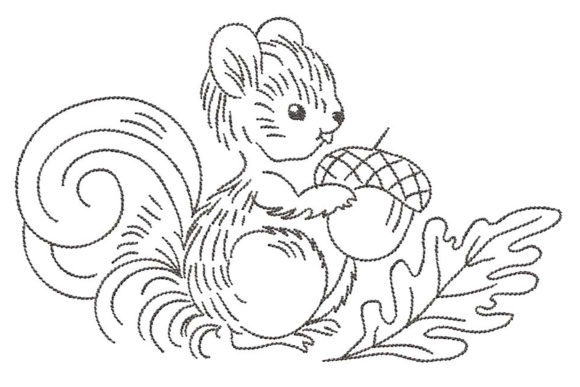
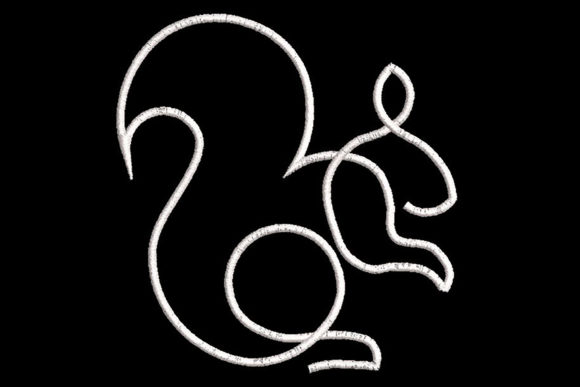
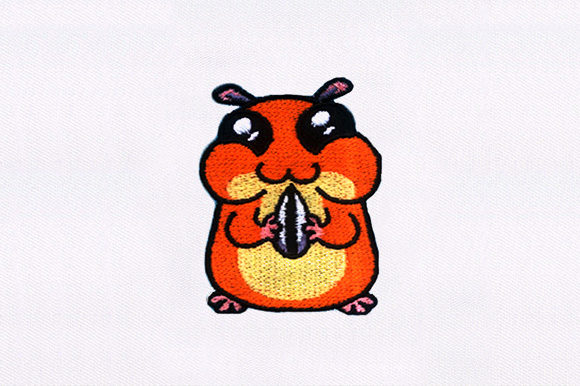
The first thing that stands out about Squirrel Eating Nut is its charming silhouette. The squirrel is depicted in a seated pose, holding a nut, with a rounded body that reads as cute rather than realistic. The line work is clean, and the design uses a mix of satin stitch and fill stitch areas to create depth without excessive stitch density. The eyes and facial details are small but readable, which is critical for maintaining visual appeal at smaller finished sizes.
From a decorative standpoint, this design leans into the Woodland Animals category with a gentle, storybook feel. It is not overly cutesy, but it is undeniably endearing. I can see it working beautifully on a kitchen towel, a pillow cover, or a baby blanket. The nut detail adds a subtle seasonal touch that makes it appropriate for autumn-themed products, but the overall look is versatile enough for year-round use. If you are building a cohesive product line for an Etsy shop or craft fair, this design could anchor a woodland collection.
One thing I appreciate is that the design does not rely on tiny, fragile details that might disappear after washing. The main body shapes are bold, and the satin stitch sections are wide enough to hold their shape over time. This is a strong indicator that the Squirrel Eating Nut embroidery file was designed with real product use in mind.
Real-World Performance on Custom Apparel and Products
I tested Squirrel Eating Nut on several fabric types to see how it handles the demands of commercial embroidery. Here is a breakdown of how it performed across different product categories:
Custom Apparel and Sweatshirts
On a medium-weight cotton sweatshirt, the design stitched out cleanly with minimal puckering. The fill stitch areas laid flat, and the satin stitch outlines gave the squirrel a crisp edge. I recommend using a medium-weight cutaway stabilizer for knit fabrics, especially if you are stitching on a sweatshirt or t-shirt. The stitch density felt balanced, not overly dense, which helps the fabric maintain its drape. If you are stitching on a cap or curved surface, be aware that the design may need slight resizing to fit comfortably on a cap front. Check the hoop size requirements on the Creative Fabrica product page before you begin.
Tote Bags and Aprons
This is where Squirrel Eating Nut really shines. On a sturdy cotton tote bag or apron, the design feels substantial without being heavy. The chubby shape fills the space nicely, and the nut detail becomes a conversation starter. I stitched it on a natural canvas tote and paired it with a contrasting thread color, which added a handmade, boutique feel. For kitchen towels, consider using a lightweight tearaway stabilizer and a smaller hoop size to keep the towel from shifting. The design adapts well to these substrates, making it a solid choice for craft fair inventory and personalized gifts.
Baby Items and Nursery Decor
Given the sweet, playful mood of this design, it is a natural fit for baby blankets, burp cloths, and nursery pillows. The rounded edges and soft expression make it appropriate for infant products. On a fleece blanket, the stitch density was low enough to avoid stiffness, and the design held up well after a gentle wash cycle. If you are selling personalized gifts for babies, this design could be paired with a name or monogram in a complementary font. Just be sure to test the design on a scrap of the same fabric first, as fleece and minky can behave differently under the needle.
Patches and Boutique Merchandise
I also tested Squirrel Eating Nut as an embroidered patch on a twill backing. The design stitched out cleanly with dense enough coverage to hide the background fabric. If you are creating patches for jackets, backpacks, or caps, this design works well as a standalone piece or as part of a larger woodland set. The satin stitch border is consistent, which is essential for a professional patch finish. For boutique merchandise, the design has enough visual appeal to justify a higher price point, especially when paired with thoughtful packaging and product photography.
Practical Considerations for Embroidery Designers
No design is perfect straight out of the file, and Squirrel Eating Nut requires a few practical checks before you commit to a production run. Here are the notes I gathered during my testing:
- Stitch density: The design has moderate stitch density that works well on most woven and knit fabrics. If you are stitching on a very lightweight fabric like silk or rayon, consider using a water-soluble stabilizer on top to prevent the stitches from sinking.
- Thread color contrast: The design looks best when the thread colors contrast well with the background fabric. On a dark fabric, consider using a lighter thread for the squirrel's body and a bright accent for the nut. On a light fabric, earthy browns and warm oranges create a lovely autumn palette. I recommend stitching a quick test on a scrap of your intended fabric to confirm the thread colors pop the way you want.
- Hoop size: The design fits comfortably in a medium hoop. Before you download, check the exact dimensions on the Creative Fabrica product page to ensure it matches your machine's capabilities. If you need to resize, do so in small increments to preserve the stitch quality.
- Small details: The eye and nut details are small but well-defined. After stitching, inspect these areas closely. If the stitches feel loose or the detail looks crowded, adjust your tension or try a finer needle. A 75/11 or 80/12 embroidery needle works well for most fabrics.
- Stabilizer choice: For most applications, a medium-weight cutaway stabilizer is a safe choice. For stretchy fabrics like jersey or interlock, add a layer of temporary adhesive spray to keep the fabric from shifting. For towels or fleece, use a tearaway or washaway stabilizer depending on the final product use.
Impact on Product Value and Customer Trust
In my experience, the quality of your embroidery design directly affects how customers perceive your brand. Squirrel Eating Nut has a polished, professional look that elevates any product it appears on. When I stitched it onto a tote bag and photographed it for a mockup, the design photographed beautifully. The satin stitch areas caught the light well, and the fill stitch sections gave the image depth. If you are selling on Etsy or at craft fairs, having designs that look good in product photography is half the battle.
This design also has strong giftability. A handmade gift featuring this squirrel feels thoughtful and special. Whether you are creating a personalized baby gift, a seasonal hostess present, or a woodland-themed birthday item, the design adds a layer of care that mass-produced products cannot match. Buyers notice the difference, and they are more likely to leave positive reviews and return for future purchases.
From a brand consistency standpoint, this design fits well into a woodland or nature-inspired product line. If you are building a collection of Woodland Animals designs, Squirrel Eating Nut can serve as a anchor piece. It is versatile enough to pair with acorns, leaves, mushrooms, or other forest motifs. For commercial embroidery, having a cohesive theme across your product line helps customers recognize your brand and trust your aesthetic.
Embroidery Notes and Final Recommendations
Before you stitch Squirrel Eating Nut on a finished product, take these steps to ensure a smooth result:
- Test on scrap fabric: Always stitch a test sample on the same fabric you plan to use for production. This reveals any tension issues, thread color mismatches, or stabilizer problems before you commit to a customer order.
- Check file details on Creative Fabrica: The product page should list the available embroidery file formats, hoop size, stitch count, and any licensing terms. Confirm that the license allows you to sell finished products made with this design, and note whether credit is required. Every designer's licensing is different, so read the terms carefully.
- Compare light and dark fabric mockups: Stitch the design on both a light and a dark fabric sample to see how the thread colors behave. You may want to adjust your thread palette for different backgrounds.
- Inspect small details after stitching: The eye, nut, and tail are the focal points of the design. If any of these areas look distorted or loose, check your tension and needle condition. A fresh needle can make a significant difference in stitch quality.
- Use proper stabilizer for the product type: As mentioned earlier, cutaway stabilizer is a safe default, but adjust based on fabric weight and stretch. For items that will be washed frequently, like kitchen towels or baby blankets, a permanent stabilizer is essential to prevent distortion over time.
Squirrel Eating Nut is a solid addition to any embroidery designer's library. It is cute without being cloying, detailed without being fragile, and versatile enough for a wide range of products. Whether you are stitching a one-off personalized gift or producing a batch of boutique merchandise for a craft fair, this design delivers the visual appeal and stitching reliability that handmade sellers need. I have added it to my active rotation for autumn-themed products, and I expect it will earn a permanent spot in my woodland collection. Download the file, test it on your preferred fabrics, and see how it performs in your own shop. With the right preparation, this little squirrel can become a customer favorite.