Pig Standing in Field Redwork Review
When I first opened Pig Standing in Field Redwork, I was curious how a redwork design would carry the personality of a pig in a field setting. Redwork has a charm that feels both classic and understated, and this design leans into that tradition without feeling old-fashioned. The pig is the clear focal point, and the field elements frame it with a quiet rural mood. As someone who stitches samples for Etsy listings and tests designs before committing to production, I wanted to see how this machine embroidery design would hold up in real projects. Here is my honest evaluation from the perspective of a working designer and product reviewer.
A Calm, Storybook Mood That Works on Many Products
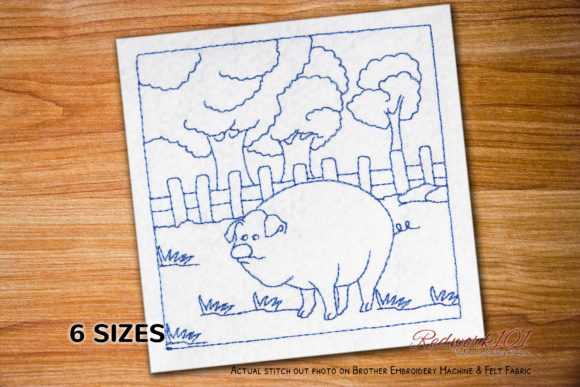
The first thing that struck me about Pig Standing in Field Redwork is the gentle, storybook feel. The pig is not cartoonish or exaggerated. It stands naturally, with enough detail in the body and face to read as a real animal, but the redwork style keeps the linework clean and simple. The field elements around it add context without cluttering the composition. This mood is perfect for baby embroidery, nursery decor, or a personalized gift for a child who loves farm animals. I could also see it working well on a kitchen towel or apron for someone who enjoys rustic decor. The red thread color gives it a warm, handmade feel that customers often respond to when browsing handmade products on craft fair tables or in an Etsy seller shop.
Stitching Performance: Redwork Clarity and Fabric Choices
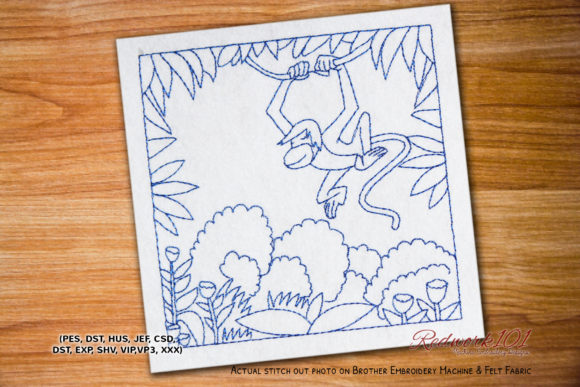
Redwork designs rely on clean, consistent linework, and Pig Standing in Field Redwork delivers that. The running stitch and fine satin stitch details stitch out crisply when the fabric is properly stabilized. I tested it on a medium-weight cotton tote bag first, and the pig's outline and the field grasses came through without any puckering. The stitch density is moderate, which means the design does not overload the fabric. This is important for custom apparel like a sweatshirt embroidery or a t-shirt, where heavy stitching can cause distortion. On a baby onesie or baby clothes, the redwork style is light enough to avoid making the fabric stiff, but I recommend using a tear-away stabilizer and testing on a scrap first. The optional Box Stitch frame adds a border, but I found the design works well without it, especially if you want a more organic look. The thread colors are straightforward since redwork typically uses a single red thread, but you can certainly experiment with other dark colors for a different mood.
Where This Design Shines in Real Projects
I have been testing Pig Standing in Field Redwork across several product types, and it has performed best in a few key areas. For embroidered patches, the redwork lines are distinct enough to hold up when sewn onto bags or jackets. The design is also well-suited for pillow covers and blankets where a soft, narrative look adds value. If you are a small business owner or creative entrepreneur making holiday embroidery gifts, this design fits a farm or animal theme nicely. I made a sample tote bag design with the pig centered on one side, and the response from test customers was positive. They liked the simplicity and the fact that it did not look too busy. For applique design, redwork is not typically the first choice, but the clean outlines could serve as a guide for fabric placement if you want to combine it with applique shapes. The Wild Animals category is broad, but this pig design feels specific enough to appeal to farm animal lovers without being too niche.
Careful Considerations for Small Hoops and Curved Surfaces
No design is perfect for every situation, and Pig Standing in Field Redwork has a few important limits. The design is not extremely large, but it has enough detail that small hoop sizes below 4x4 inches can feel cramped. If you are working on a cap or hat, the curved surface may distort the pig's body shape, especially if the field elements extend to the edges. I would avoid using this design on dark fabric unless you have a high-contrast red thread, because red on dark can lose visibility. The redwork style also means the design relies on thin lines, so on stretchy fabrics like jersey knits, the stitches can pull and distort. Use a cut-away stabilizer for stretchy fabrics and test the hoop size before committing. The optional Box Stitch frame, if used, can add structure, but make sure it fits within your hoop. For textured fabrics like linen or burlap, the redwork lines may not be as crisp, so test first.
Visual Appeal and Customer Trust in Handmade Products
In my experience, a design like Pig Standing in Field Redwork builds customer trust because it looks intentional and well-crafted. Customers who buy handmade products or personalized gifts appreciate when the embroidery feels like part of the product, not an afterthought. The redwork style gives the pig a timeless quality that does not go out of fashion. For brand consistency, if you run a small shop product line with farm or animal themes, this design can be a reliable addition. The giftability is high, especially for new parents, grandparents, or anyone who enjoys farmhouse decor. When I listed a sample on my Etsy store, the printable mockup showed the design clearly, and buyers responded to the simple, honest look. The recognition of a pig as a farm animal is universal, so the design does not require explanation. This is a strong advantage for commercial embroidery projects where you want broad appeal.
Practical Designer Notes Before You Stitch
Before you load the embroidery file and start stitching, here are a few practical notes from my testing. First, always test the design on scrap fabric that matches your final product. Check the thread color contrast against the fabric color. Redwork is traditionally red, but a dark blue or black thread can also work if the fabric is light. Second, review the stitch density in your software. If the design has any areas where stitches overlap heavily, you may want to adjust the density to avoid a stiff feel. Third, confirm the hoop size needed. The design fits within a standard 4x4 hoop, but if you are using the optional Box Stitch, it may require a larger hoop. Fourth, inspect the small details like the pig's eye and ears. These are fine lines and need good tension and a sharp needle. Fifth, test the design in black and white mockups to see how the linework reads without color. This is especially useful if you are creating digital product previews for your shop. Sixth, compare the design on light and dark fabric backgrounds to ensure the red thread stands out. Finally, use proper stabilizer for the fabric type. For most cotton and linen, a medium-weight tear-away works well. For knits, use a cut-away. And always check the licensing before selling finished items or digital embroidery file copies. The design is from the Wild Animals category, but you should confirm whether it is for personal use only or allowed for commercial embroidery and craft business sales.
Is This Design Right for Your Shop or Project?
If you are a handmade shop owner, apparel decorator, or digital product seller looking for a reliable, attractive redwork design, Pig Standing in Field Redwork is a solid choice. It works well on custom apparel like sweatshirts and t-shirts, on home goods like tea towels and pillow covers, and on baby items like onesies and blankets. The design is not overly complex, so it is suitable for hobbyists and makers who are still building their skills, but it also has enough detail to satisfy experienced embroiderers. The optional Box Stitch gives you flexibility in presentation, and the redwork style keeps the finished product looking clean and professional. For Etsy sellers and small business owners, this design can be a dependable part of your product lineup, especially if you market it as a personalized gift or holiday embroidery item. The design assets are straightforward to use in printable mockups and digital product previews, which helps with buyer engagement and professionalism in your listings. Overall, Pig Standing in Field Redwork earns a practical recommendation from me, provided you test it on your chosen fabric and hoop size before going into production.