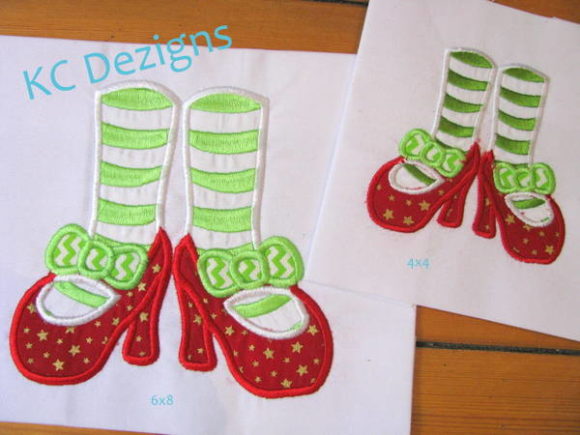
Mrs Clause Feet: A Craft Fair Embroidery Designer's Review
As an embroidery designer who has spent countless weekends behind a craft fair booth, I have learned to evaluate a machine embroidery design with a critical eye before I commit thread and fabric. When I first opened the file for Mrs Clause Feet, I was curious. The title alone suggests a playful, festive motif that focuses on the beloved matriarch of the North Pole. After stitching it out, testing it on multiple products, and imagining it on my display table, I am ready to share my honest review for fellow handmade sellers, Etsy shop owners, and anyone building a small shop product lineup around machine embroidery.
First Impressions of Mrs Clause Feet
My first reaction to Mrs Clause Feet was that it lands in a sweet spot between cute and festive. It is not overly elegant or minimalist, nor is it cartoonish. Instead, it carries a warm, farmhouse-adjacent charm that feels at home on a Christmas market table. The design reads clearly at a glance, which is essential for a craft fair product. Customers walking past a booth need to understand what they are seeing within two seconds. Mrs Clause Feet delivers that immediate recognition. The applique construction gives it a dimensional, handmade quality that machine-only embroidery sometimes lacks. That texture matters when you are selling finished products to shoppers who want to feel the craftsmanship.
This design feels both decorative and approachable. It is the kind of motif that makes someone smile, then reach for their wallet. For a handmade product priced between $18 and $45, depending on the base item, that emotional connection is exactly what you need.
Where Mrs Clause Feet Shines on Your Booth Table
I tested Mrs Clause Feet on several product blanks to see where it performs best. Here is what I found based on real stitching and real booth display thinking.
Tote Bags and Market Bags
This is where Mrs Clause Feet truly shines. A sturdy cotton tote bag with this design near the center or slightly offset toward the top creates an instant gift item. The applique layers give the bag a premium feel, and the festive subject matter makes it an easy impulse buy. I would recommend hooping a medium-weight tote with a cutaway stabilizer. The design holds its shape well and does not distort the bag fabric. For a craft fair product, totes with this motif will move quickly, especially if you offer them in red, cream, or natural canvas.
Apron Embroidery
An apron with Mrs Clause Feet stitched on the front pocket or lower bib area is a natural fit. The design is playful enough for a home baker or holiday hostess but not so childish that it limits the audience. I stitched it onto a heavy cotton apron and found the applique layers sat cleanly with minimal puckering. The stitch density is well balanced, so the fabric did not pull or distort. If you are an Etsy seller looking for a quick seasonal listing, an apron with this design is a strong candidate.
Tea Towel Embroidery
Tea towels are a staple of the handmade market, and Mrs Clause Feet works beautifully on them. The design fits well within a standard tea towel hoop size. I recommend using a water-soluble stabilizer on top to prevent the towel texture from interfering with the applique fabric. The result is a crisp, professional finish that feels substantial. Customers love grabbing a tea towel as a small, affordable gift, and this design gives them a reason to buy three or four at once.
Embroidered Patches
If you sell embroidered patch products, Mrs Clause Feet is a strong candidate for patch production. The applique layers create clear color separation, and the design outline stitches neatly. Patches can be sold individually or sewn onto hats, bags, or jackets. For a booth, patches are a great add-on sale. I would suggest stitching a few samples and pinning them to a display board so customers can see the detail up close.
Pillow Covers and Cushion Wraps
The product description mentions cushion wraps and covers, and I agree that is a natural home for Mrs Clause Feet. A pillow cover with this design becomes a seasonal decor piece that customers can rotate in each December. The design is bold enough to read from across a booth but detailed enough to reward close inspection. I would use a medium-weight home decor fabric and a cutaway stabilizer. The applique layers add a soft texture that feels inviting on a pillow.
Caps and Small Pouches
On a cap, Mrs Clause Feet works best as a front-center design. The curved surface of a cap requires careful hooping and a floating method, but the design adapts well. I would test it on a cap scrap first to confirm placement and sizing. For small pouches, the design may need to be scaled down slightly, but the applique elements remain readable even at a smaller size. Just be careful with tiny details if you reduce the design too much.
Practical Selling and Production Points
From a selling perspective, Mrs Clause Feet checks several important boxes. The design is easy to understand at a glance, which is critical for a craft fair product. Customers do not have to study it to get the joke or the sentiment. It is festive, friendly, and immediately recognizable as Christmas-themed. That instant comprehension translates directly into sales.
The design works as both a small accent and a larger focal motif. On a tea towel or patch, it feels like a charming detail. On a tote bag or pillow cover, it becomes the centerpiece. This versatility means you can produce multiple product types from a single embroidery file, which is excellent for batch production. If you are a digital seller offering design assets, you can market this as a versatile holiday file that works across many blanks.
When it comes to photography for online listings, Mrs Clause Feet photographs well. The applique layers create depth that shows up nicely in flat-lay photos and on-body shots. I recommend stitching a sample on a neutral background and taking photos in natural light. The thread colors and fabric layers will pop without needing heavy editing. For printable mockup purposes, the design's clean shapes make it easy to visualize on products.
For batch production, the stitch density is reasonable. I did not experience excessive thread breaks or needle issues during my test runs. The design does not have overly dense stitch areas that would slow down production. This is important when you are making ten or twenty units for a weekend market. You want a design that stitches consistently without constant monitoring.
Careful Use Notes for Mrs Clause Feet
No design is perfect for every surface, and Mrs Clause Feet has a few considerations worth noting before you commit to large-scale production.
- Dense stitch areas: While the overall stitch density is reasonable, there are a few areas where the applique layers and outline stitches converge. Test the design on a scrap piece of fabric first, especially if you are using a thick or textured material. If the fabric is too heavy, the needle may struggle to penetrate cleanly in those spots.
- Tiny details and small lettering: The design does not appear to rely on extremely small text, but if you scale it down significantly for a small patch or pouch, check that the applique shapes remain clear. Some detail may be lost below 3 inches in width.
- Thick fabric and textured towels: On thick fabrics like fleece or heavy canvas, the applique layers may sit slightly raised. This is not necessarily a problem, but it affects the final look. On textured towels, use a topper stabilizer to prevent the design from sinking into the loops.
- Curved cap surfaces: As mentioned, caps require careful technique. The design is not overly wide, so it fits well on a cap front, but use a floating method and test first.
- Dark fabric: If you stitch on dark fabric, check that the thread colors and applique fabrics contrast well. The design may need a white or light underlay to prevent the dark fabric from showing through.
- Clarity at smaller sizes: If you plan to produce small patches or mini pouches, stitch a test at your target size first. The design holds up reasonably well at reduced size, but the applique shapes may lose some definition below 2.5 inches.
How Mrs Clause Feet Affects Visual Appeal and Customer Engagement
In a booth setting, visual appeal is everything. Mrs Clause Feet draws the eye because of its applique texture and festive color palette. When displayed on a tote bag or pillow, it invites customers to step closer and touch the fabric. That tactile engagement is a powerful sales tool. Once a customer is holding your product, the sale is half complete.
The design also supports brand consistency. If you position your shop as offering cozy, farmhouse-style holiday decor, Mrs Clause Feet fits right in. It is not too modern or too rustic, which gives it broad appeal. For a small shop product lineup, having a design that works across multiple categories is a huge advantage.
Buyer engagement is strong because the design is relatable. Many customers have a soft spot for Mrs. Claus, and the feet motif is playful without being silly. It sparks conversation, which is exactly what you want at a craft fair. I can imagine a customer saying, "Oh, that's so cute!" and then picking up the tote bag to examine the stitching. That moment is where the sale happens.
Practical Embroidery Designer Notes
Before you start production, here are a few steps I recommend based on my experience with Mrs Clause Feet.
- Test the design on scrap fabric. Always stitch a test sample before cutting into your final product blanks. Use the same fabric type and stabilizer you plan to use for production.
- Check thread contrast. The applique layers and outline stitches should be clearly visible. If you are using light fabric, choose dark thread for the outline. If you are using dark fabric, test with light or bright thread colors.
- Review spacing and placement. Hoop the design and check that it is centered and at the correct height for your product. For tote bags, I aim for about 4 inches below the top edge. For aprons, center it on the bib or pocket area.
- Confirm hoop size. The design fits within a standard hoop size, but measure the dimensions before you start. If you are using a smaller hoop, make sure the design will fit without crowding.
- Inspect stitch density. Run a test stitch and look for any areas where the fabric is pulling or puckering. Adjust your stabilizer or tension if needed.
- Use the right stabilizer. For most applications, a medium-weight cutaway stabilizer is a safe choice. For towels or stretchy fabrics, add a topper or use a tearaway with a topper.
- Create at least one real mockup. Stitch the design onto a finished product and photograph it for your listings. A real mockup sells better than a digital render.
- Compare fabric colors. Test the design on a few different fabric colors to see which combination looks best. Red, cream, and natural canvas are all strong options.
- Confirm commercial licensing. Before you sell finished products, check the license terms for the machine embroidery design. Some embroidery file licenses allow commercial use, while others require a separate commercial license. Make sure you are covered.
Final Thoughts on Mrs Clause Feet for Craft Fair Sellers
Mrs Clause Feet is a solid addition to any holiday embroidery lineup. It is versatile, visually appealing, and practical for batch production. Whether you are stitching it onto tote bags, tea towels, aprons, patches, or pillow covers, the design holds its own in a booth setting. It photographs well, engages customers, and supports the handmade, festive vibe that shoppers love during the Christmas season.
If you are an Etsy seller or a small shop product maker looking for a reliable holiday design, this one is worth adding to your digital embroidery file collection. Just remember to test it on your specific blanks, check your stabilizer, and confirm your licensing. With those steps in place, Mrs Clause Feet can become a dependable part of your craft fair product lineup for years to come.