Let Her Sleep: A Designer’s Review for Craft Fair Success
When I first opened the Let Her Sleep machine embroidery design, I immediately recognized its potential for the handmade market. The title alone evokes a quiet, tender moment that resonates with anyone who values rest, self-care, or simply cherishing a peaceful morning. As an embroidery designer who has prepped countless booths for weekend craft fairs, I know that designs with emotional warmth and clear messaging tend to stop customers in their tracks. Let Her Sleep delivers exactly that kind of gentle visual appeal. In this review, I’ll walk through how this embroidery file performs across the products we craft fair sellers depend on, from tote bags and tea towels to caps and patches. I’ll also share practical production notes to help you turn this design into a reliable bestseller at your next handmade market.
First Impressions of Let Her Sleep
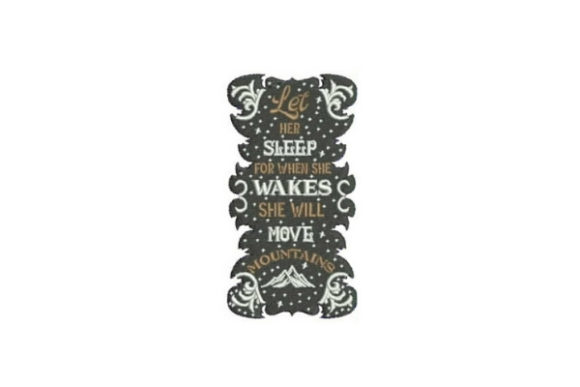
The mood of Let Her Sleep feels soft, cozy, and slightly sentimental. It is not a loud or bold design. Instead, it whispers a relatable message about giving someone the gift of rest. This quality makes it ideal for the inspirational category. Customers browsing a booth filled with embroidered goods often pause at pieces that make them feel something. Let Her Sleep invites that pause. The lettering likely carries a graceful, script-like or handwritten feel, which adds a handmade, personal touch. In a sea of busy patterns and bright colors at a craft fair, this design stands out because it is understated and emotionally grounded. It feels equally at home in a farmhouse aesthetic, a modern minimalist booth, or a rustic gift display. That versatility is a significant advantage for any small shop product.
Where Let Her Sleep Shines on Booth Products
One of the first questions I ask when reviewing a new embroidery file is: Where will this design sell best? For Let Her Sleep, the answer spans several product categories. Its gentle message and likely moderate stitch count mean it can adapt to both large focal placements and smaller accent uses.
On Pillow Covers and Bedding
The product description specifically mentions sheets and pillow cases, and that is a natural home for this design. An embroidered pillow cover with Let Her Sleep becomes an instant gift item. Customers shopping for housewarming presents, wedding gifts, or self-care bundles will gravitate toward it. When you display a finished pillow cover on your booth table, the soft fabric and the calming message create a tactile, visual anchor. The design feels like a decorative statement, not just a casual embellishment. It elevates the perceived value of the product, allowing you to price it accordingly.
Tote Bags and Market Bags
A tote bag featuring Let Her Sleep appeals to the customer who wants to carry a little comfort with them. I would recommend placing the design centrally on the front panel of a sturdy canvas tote. The contrast between the rugged fabric and the gentle lettering works beautifully. At a craft fair, customers often pick up tote bags and imagine them as gifts for tired friends, new mothers, or anyone who deserves a break. The design’s readability at a glance is crucial here. From a few feet away, the message should be clear. Before committing to production, I always test the embroidery file on a scrap piece of canvas to confirm that the thread colors and stitch density hold up well on the fabric texture.
Tea Towels and Kitchen Linens
Tea towel embroidery remains a staple for handmade product sellers. Let Her Sleep works beautifully on a premium linen or cotton tea towel. However, I advise caution with textured towels. If the fabric has a heavy weave or a waffle texture, the small details in the lettering may lose clarity. I recommend testing the design on a swatch first. Use a cutaway stabilizer to support the stitches and keep the edges crisp. A well-embroidered tea towel with this design will sell quickly at a market, especially when displayed folded or hung where the message is visible. Customers often buy these as hostess gifts or for their own homes.
Embroidered Patches and Caps
Patches are a low-cost, high-margin product for any embroidery business. Let Her Sleep can be scaled down to patch size, but you must check the smallest lettering. If the design includes very thin or tiny script, reducing it too much may cause the stitches to blur together. I typically test patches at multiple sizes, from 2.5 inches to 4 inches wide, to find the sweet spot. For caps, placement is everything. The gentle curve of a cap front can distort a design that is not properly digitized for curved surfaces. If you plan to sell caps with Let Her Sleep, use a hoop that accommodates the cap’s shape and a stiff stabilizer to prevent puckering. A cap with this design appeals to customers who want a subtle, meaningful accessory.
Small Pouches and Giftable Items
Small fabric pouches, cosmetic bags, and zippered cases are excellent vehicles for this embroidery file. Because the design is not overly large, it fits well on a small pouch front. These items are easy to stock in bulk and make great impulse buys at a craft fair booth. When I create small pouches with Let Her Sleep, I pair them with a matching fabric lining and a simple tag that repeats the message. This creates a cohesive product that feels purposeful. Customers often buy multiples for themselves and as gifts. The design’s versatility across product types is one of its strongest selling points for any Etsy seller or small shop product.
Practical Production Notes for Batch Sewing
Before you start stitching dozens of items for your next market, there are several production details to verify. I always treat a new design as a prototype until I have tested it thoroughly.
Stitch Density and Thread Choices
Review the stitch density of Let Her Sleep carefully. A design that is too dense can cause fabric puckering, especially on lightweight materials like pillowcases or cotton pouches. If the embroidery file includes heavy fill areas, consider using a lighter-weight thread to reduce bulk. Conversely, if the design is mostly open lettering, the stitch density may be low, which works well on a variety of fabrics. Thread color selection also matters. I recommend testing at least two colorways: one soft and neutral, like a dusty rose or sage green, and one with higher contrast, like white on a dark fabric. The contrast helps the design pop from a distance, which is critical for catching a shopper’s eye across a crowded booth.
Fabric Texture and Stabilizer Selection
Fabric texture directly affects how Let Her Sleep looks in the finished product. On smooth cotton or linen, the design will stitch cleanly with sharp edges. On textured towels, heavy canvas, or fleece, you may need to adjust your stabilizer. I use a medium-weight cutaway stabilizer for most projects and a tear-away for stable fabrics. For dark fabrics, consider using a white or light-colored bobbin thread to prevent show-through. Always test the design on the exact fabric you plan to sell, and note the hoop size required. If the design is too large for your standard hoop, you may need to resize it or invest in a larger hoop. Confirming these details before production saves time and materials.
Size, Hoop, and Scaling Considerations
The product description does not specify a fixed hoop size or stitch count, so I recommend checking the digital embroidery file carefully before you begin. If the design is provided in multiple embroidery file formats, test each format in your machine to ensure compatibility. Scaling the design up or down can affect stitch density and detail clarity. If you need to resize Let Her Sleep to fit a specific product, do so in your embroidery software rather than on the machine. This preserves the stitch order and reduces the risk of thread breaks. For a craft fair product, consistency across your batch is key. Once you settle on a size and placement, stitch several samples to confirm repeatability.
Selling Strength at the Craft Fair Booth
At a live market, first impressions happen fast. A booth filled with embroidered goods needs focal points that draw people in. Let Her Sleep works well as a featured product on a tabletop display. I would place a finished pillow cover or tote bag on a small easel or draped over a basket, with the design facing outward. The message is easy to read and emotionally resonant, which encourages customers to stop and engage. When they ask about the design, you can explain that it comes from a high-quality machine embroidery design and is available in multiple file formats for those who embroider at home. This opens up a conversation about your process and the care you put into each finished product.
The design’s appeal also extends to custom orders. If a customer loves the sentiment but wants it on a different item, you can offer to embroider Let Her Sleep on a tote bag, apron, or tea towel of their choice. This flexibility increases your average sale value and builds customer loyalty. For online sales, take clear, well-lit photos of the finished product. A printable mockup can help you list the design across multiple product types without stitching every single variation. However, I always recommend creating at least one real finished product for photography and booth display. Customers can tell the difference between a mockup and a real embroidered item, and the tactile quality of the stitches matters.
Designer’s Checklist Before You Sell
Before you add Let Her Sleep to your product lineup, I recommend completing this short checklist:
- Test the design on scrap fabric that matches your intended product material.
- Check thread contrast against the fabric color to ensure readability from a distance.
- Review spacing and placement on each product type, especially curved surfaces like caps.
- Confirm hoop size and adjust if needed, keeping stitch density in mind.
- Inspect stitch density to avoid puckering on lightweight fabrics or dense fills on thick materials.
- Use the right stabilizer for each fabric type, and test a second stabilizer if needed.
- Create at least one real mockup for photography and display.
- Compare fabric colors to find the best contrast for the design.
- Confirm commercial licensing terms for the embroidery file before selling finished products.
This last point is especially important for any Etsy seller or embroidery business owner. Using a design asset without proper licensing can lead to legal issues down the road. The product description indicates that Let Her Sleep is a machine embroidery design with multiple file formats, but it does not state the license terms. I recommend contacting the designer or checking the listing details to confirm that you can use it for commercial embroidery. Once you have that clarity, you can proceed with confidence.
In summary, Let Her Sleep is a strong addition to any craft fair product lineup. Its emotional appeal, versatility across product types, and gentle visual style make it a reliable seller for handmade market booths. With careful testing and attention to production details, this design can become a staple in your embroidery business. Whether you are a seasoned small shop product creator or a newer Etsy seller, investing time in mastering this design will pay off in customer engagement and sales. I look forward to seeing it in your next booth display, bringing a moment of calm to shoppers who need exactly that reminder.