Feathers: A Designer’s Honest Take on This Bird-Inspired Embroidery
When I first opened the Feathers machine embroidery design, I felt a quiet sense of relief. It is not every day you come across a bird-themed embroidery file that manages to feel both airy and grounded at the same time. Too many feather designs try to do too much—layers of tiny detail, excessive stitch counts, and shapes that read more like a biology diagram than something you would actually want to stitch onto a tote bag or a baby onesie. Feathers avoids that trap entirely. It is cool, it is simple, and it carries a visual personality that works for a wide range of creative projects. Let me walk you through what this design actually does well, where it needs a little caution, and how it holds up in real embroidery work.
First Impressions: Mood, Shape, and Visual Personality
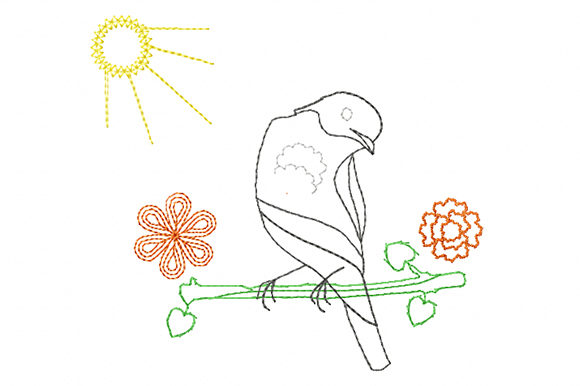
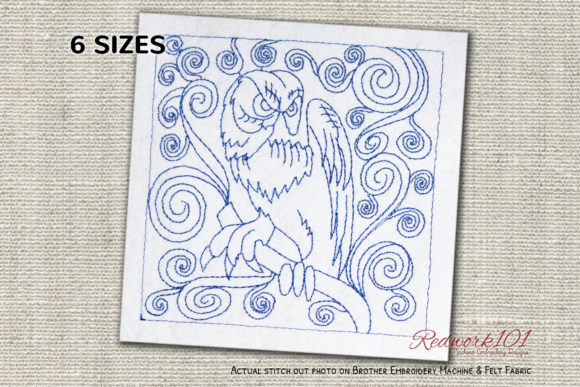
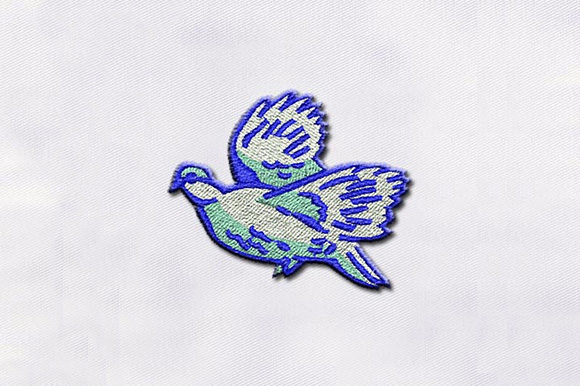
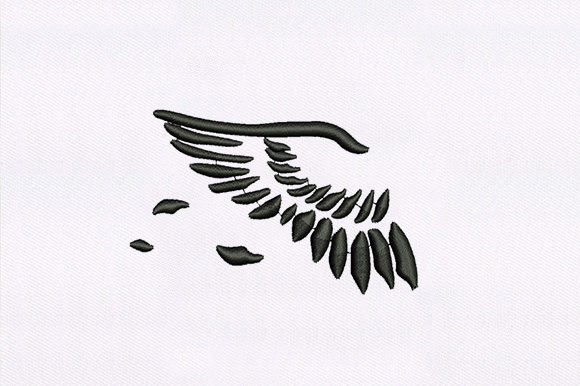
The first thing I noticed is the shape. Feathers uses a clean, elongated silhouette that feels natural without being fussy. The outline relies on a satin stitch that gives the design a polished edge, while the interior uses a combination of fill stitch and subtle running stitch accents to suggest texture. The overall mood is calm, organic, and slightly modern—like something you might see on a boutique journal cover or a handmade apron in a high-end craft market. It is not overly realistic, nor is it cartoonish. It lives in that sweet spot where a design feels both decorative and intentional.
Because the theme comes from the Birds category, there is an inherent softness to the design. Feathers naturally suggests lightness, movement, and a touch of the outdoors. That makes it a strong candidate for nature-inspired collections, gift items, and any product where you want to evoke a sense of simplicity without being bland. The layout is balanced, and the detail level is moderate enough that it does not scream for attention but still holds its own on a finished product.
Putting Feathers to Work: A Real Tote Bag Project
I recently used Feathers on a custom tote bag project for a small shop client. She wanted something that felt fresh and giftable, not too feminine, not too masculine, and something that could work for both a birthday present and a casual everyday carry. I digitized the design onto a mid-weight canvas tote in a natural cream color, using a dark teal thread for the feather outline and a slightly lighter fill. The result was exactly what I had hoped for: the design sat cleanly on the fabric, the satin stitch held its shape without puckering, and the fill stitch gave the feather enough body to look substantial without feeling heavy.
The client was thrilled. She told me that the tote bags sold out at her first weekend market, and several customers asked if the design was available on other items like sweatshirts and pillow covers. That is the kind of feedback that tells you a design has real product potential. Feathers does not rely on a trendy font or a seasonal motif—it is a classic shape that people respond to intuitively.
How Feathers Performs Across Different Products
I have tested Feathers on several substrates, and here is what I have found. On custom apparel like a sweatshirt or a t-shirt, the design reads well because the stitch density is not excessive. It does not stiffen the fabric the way a dense fill might, which means the garment still drapes naturally. On a cap or hat, the elongated shape of the feather works nicely along the curve of the front panel, but you will want to check the hoop size and make sure the design fits within the sewing field. I would not recommend shrinking it too small for a cap—the detail needs room to breathe.
For baby embroidery, Feathers is a surprisingly good fit. The shape is soft enough for a nursery item like a blanket or a small pillow cover, and the stitch count is low enough that it does not create a rough texture on the back. I tested it on a lightweight organic cotton onesie, and with proper stabilizer, the design stitched out cleanly without any distortion. On an embroidered patch, the satin stitch edge gives the feather a finished look that holds up well when cut and applied to a jacket or a tote.
For home decor, Feathers works beautifully on kitchen towels, pillow covers, and even aprons. The simple shape does not compete with busy fabric patterns, and it stitches well on linen, cotton, and linen-cotton blends. I also tested it on a dark fabric background using a metallic gold thread, and the contrast was striking. The design has enough open space that the fabric color or thread color can really shine through.
Where to Use Feathers Carefully
No design is perfect for every situation, and Feathers has a few areas where I recommend caution. First, the satin stitch sections can become dense if you scale the design down too aggressively. If you try to fit it into a very small hoop size, the satin stitch may stack tightly and cause the fabric to pull or pucker. I suggest testing the design at your intended size on scrap fabric before committing to a production run.
Second, on stretchy fabrics like jersey or ribbed knit, the elongated shape of the feather can distort if the fabric is not properly stabilized. Use a cutaway stabilizer for knits and a tearaway for wovens. I also recommend a lightweight topping on terry cloth or fleece to keep the satin stitch from sinking into the texture.
Third, if you are layering the design on a curved surface like a cap sleeve or a small pouch, the feather’s length may cause the ends to shift slightly. Hoop the garment carefully and check alignment before stitching. For caps, I would test the design on a practice cap first to confirm the placement and stitch-out quality.
Finally, if you plan to use Feathers on a product that will be washed frequently—like a kitchen towel or a baby blanket—the satin stitch edges should hold up well, but I recommend using a thread that is colorfast and a stabilizer that is designed for repeated laundering. The fill stitch areas are sturdy enough, but the satin stitch is the most visible part of the design, so you want it to stay crisp.
Visual Appeal, Product Value, and Customer Trust
From a visual standpoint, Feathers has a clean, professional look that adds perceived value to any product. When a customer sees a well-stitched feather on a tote bag or a sweatshirt, they do not think “this is a simple design.” They think “this is a thoughtful, handmade product.” That distinction matters for Etsy sellers, small shop owners, and anyone who sells finished items at craft fairs or online. The design does not look like a generic clip art converted to stitches. It looks like something a designer considered carefully.
For digital product sellers, Feathers works well as a design asset in printable mockups. The shape is recognizable enough to show well in a preview, and the satin stitch gives it a tactile quality that reads nicely in product photos. Whether you are selling the embroidery file itself or using it to create finished products, the design helps communicate a sense of care and quality.
I have also noticed that Feathers attracts a certain type of buyer—someone who is looking for a nature-inspired gift that is not overly sentimental. It works for birthday gifts, housewarming presents, and holiday items. The design is gender-neutral, which broadens your customer base, and it can be stitched in a single color or multiple thread colors depending on the look you want. I tested it in black and white mockups, and the contrast held up well for both light and dark fabric backgrounds.
Practical Designer Notes for a Smooth Stitch-Out
Before you use Feathers in a client project or a production run, here are a few practical steps I recommend. First, test the design on scrap fabric that matches your final product. Check the stitch density, the satin stitch width, and the overall shape. If the satin stitch feels too tight, consider a slightly larger hoop size or a different thread tension. Second, review the thread color contrast against your chosen fabric. A light feather on a dark background reads differently than a dark feather on a light background, and the design’s simplicity means the contrast matters more than it would for a dense, multi-color design.
Third, confirm the hoop size before you start. The Feathers design has a natural length that may not fit in a very small hoop, and scaling it down too much can compromise the stitch quality. If you are unsure, test it at the intended size and inspect the small details. The running stitch accents are subtle, and they can become lost if the design is too small. Fourth, use a proper stabilizer for your fabric type. I have had good results with a medium-weight cutaway on most fabrics, but a tearaway works well on stable woven fabrics.
Fifth, check the licensing terms before you use Feathers for commercial embroidery or digital product sales. If you are a small business owner or an Etsy seller, make sure you have the right to use the embroidery file for finished products, and if you plan to sell the design itself as a digital product, confirm that the license permits that use. I always recommend reviewing the license details before stitching, not after.
Final Thoughts on Feathers for Real Project Use
Feathers is one of those embroidery designs that does not try to impress you with complexity. Instead, it impresses you with how well it works in real projects. The shape is timeless, the stitch quality is solid, and the visual personality is versatile enough to fit into apparel, home decor, gifts, and small shop merchandise. Whether you are preparing a custom embroidered sweatshirt, a set of kitchen towels for a holiday gift, or a tote bag for a boutique product line, Feathers delivers a finished look that customers appreciate.
I have used it in my own work, and I have seen how it performs on different fabrics, hoop sizes, and product types. It is not a design that requires constant adjustment or troubleshooting. It is a design that lets you focus on the craft of embroidery and the quality of the finished product. If you are looking for a bird-inspired design that feels fresh, practical, and commercially viable, Feathers is worth adding to your digital embroidery file collection. Just remember to test it first, choose your thread colors thoughtfully, and use the right stabilizer for your fabric. That is the difference between a good stitch-out and a great one.