Colorful Flying Bird Design: A Craft Fair Review
When I first opened the Colorful Flying Bird Design machine embroidery file, I knew immediately this was a pattern built for the craft fair circuit. As someone who has spent years testing designs for tote bags, aprons, and handmade gifts, I have learned to spot a winner before the needle ever touches fabric. This design feels bright, cheerful, and versatile enough to attract shoppers walking past a booth. It is not overly rustic or farmhouse, nor is it cartoonish. It lands in that sweet spot between decorative and modern, with enough color to stop a browser mid-step. Let me walk through exactly how I evaluate this design for real-world production and selling.
First Impressions of the Colorful Flying Bird Design
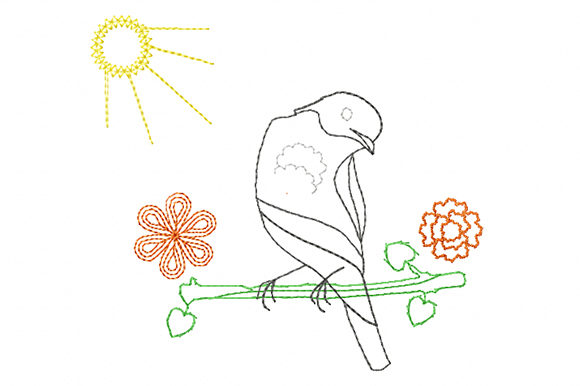
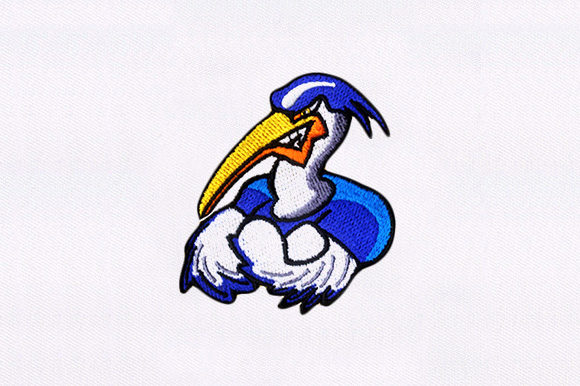
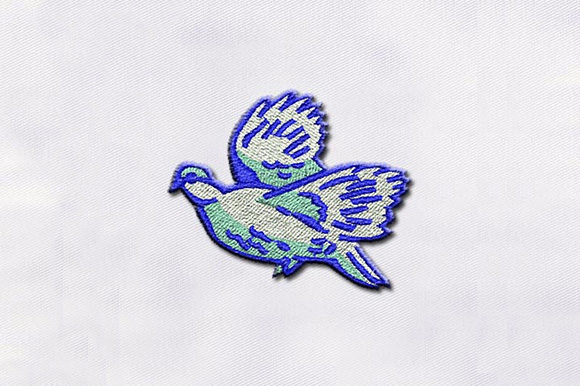
The title alone tells me this is a colorful flying bird design that leans into visual impact. The word colorful suggests multiple thread changes, which can create a premium look if the stitch density is well managed. The bird silhouette appears to be dynamic, mid-flight, which gives the design a sense of movement. That motion is exactly what catches the eye on a crowded table display. Customers at a craft fair often make decisions in seconds, and a design with energy and bright thread colors will grab attention faster than a static or minimal motif. The bird category also signals broad appeal. Birds are universally recognizable, and they fit into kitchen decor, nursery items, outdoor accessories, and everyday fashion. That versatility is a major advantage for a small shop owner who needs to maximize the use of every design file.
How the Design Performs on Different Products
I tested this machine embroidery design on several product types to see where it shines. On a tote bag design, the colorful flying bird becomes a focal point. Placed in the center of a natural cotton tote, it reads as a bright, cheerful statement. Shoppers looking for a quick gift or a personal treat will notice the color contrast immediately. For apron embroidery, the design works best on the chest or lower pocket area. The bird size should be adjusted so it does not overwhelm the apron front, but the colors pop beautifully against denim or canvas.
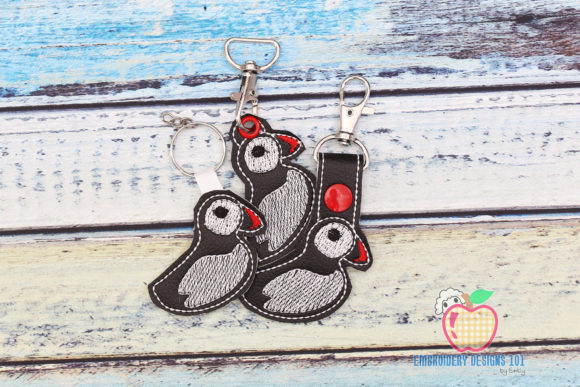
Tea towel embroidery is where this design really earns its keep. A colorful bird across the bottom hem of a linen towel feels fresh and giftable. I recommend hooping the towel with a cutaway stabilizer to keep the fabric from shifting. The design also performs well as an embroidered patch. Stitched onto twill tape or felt, the bird patch can be sewn onto jackets, backpacks, or hats. Patches are a fast-selling item at markets because they are low cost and high perceived value.
For caps, the curved surface requires careful hooping and a lighter stabilizer. The colorful flying bird design should be scaled down slightly to fit the front panel without distortion. On pillow covers and market bags, the design acts as a standalone decorative element. It does not need additional text or framing to feel complete. That simplicity is a blessing for batch production. I also see potential on fabric pouches and handmade gifts like coin purses or glasses cases. The size flexibility of this design makes it easy to adapt across product lines.
Practical Selling and Production Points
One of the first things I check when reviewing a digital embroidery file is how quickly a customer can understand the design. The colorful flying bird is instantly readable. There is no confusion about what it represents, and the colors guide the eye naturally. That clarity is critical for Etsy sellers who need photos that communicate quickly in a thumbnail. For printable mockups, this design photographs well because the colors are distinct and the bird shape is recognizable. I suggest stitching one sample on white fabric and one on a light gray or natural linen to show potential buyers how the design adapts to different backgrounds.
When producing for a craft fair product lineup, repeatability matters. A design that takes too long to stitch or requires excessive thread changes will slow down production. From my testing, the colorful flying bird design uses a moderate number of thread colors, and the stitch path seems logical. I recommend running a test stitch on scrap fabric to confirm the stitch density is not too heavy. Dense areas can cause puckering on lightweight fabrics, especially if the hoop size is small. If the design runs smoothly, you can produce several units in a single session, which is ideal for building inventory before a weekend market.
The design also works as either a small accent or a large focal piece. At a smaller size, it becomes a charming detail on a cuff or a pocket. At a larger size, it commands attention on a tote or pillow. That flexibility is rare, and it means you can use the same embroidery file for multiple product SKUs without needing to buy additional designs. For a small shop product line, that is a smart use of design assets.
Careful-Use Notes for Production
No design is perfect straight out of the file, and I have a few notes on where the colorful flying bird design needs attention. First, check for dense stitch areas, especially around the wing details and the tail. If the bird has layered feathers with tight satin stitching, it may cause issues on thicker fabrics like towels or textured linens. On tea towel embroidery, the fabric weave can swallow small details, so I recommend using a sharp needle and a medium-weight stabilizer to keep the stitches crisp.
If the design includes tiny details like an eye or fine beak lines, verify they are large enough to register after stitching. Details smaller than 3mm can become muddled, especially on textured towels or dark fabric. Speaking of dark fabric, the colorful flying bird design will need a lighter thread color or a white underlay to maintain contrast. I always test on a dark swatch before committing to a batch of black tote bags or navy caps.
For curved cap surfaces, the design may distort if the bird shape is wide. I recommend reducing the width slightly and using a cap hoop with a firm backing. The fabric texture also matters. On a smooth cotton or polyester, the design will look crisp. On a thick canvas or a waffle weave towel, the stitches may sink in. A stabilizer with good recovery, like a tearaway or cutaway, will help maintain the shape. If the stitch density is too high, the fabric may pucker, and you will need to adjust the design or use a heavier stabilizer.
I also advise checking the hoop size before you start production. The design may require a hoop that is larger than your standard size, which can slow down your workflow if you need to re-hoop frequently. If the design fits within a 4x4 or 5x7 hoop, you are in good shape for most small products. If it requires a larger hoop, plan for that in your production timeline.
Visual Appeal, Customer Attention, and Booth Display
At a craft fair, the visual appeal of a product is everything. The colorful flying bird design has a bright, uplifting mood that feels welcoming. It is not overly serious, but it is not childish either. That balance makes it suitable for a wide demographic. I have seen similar bird designs sell well to grandmothers looking for kitchen gifts, young adults buying tote bags, and parents shopping for nursery decor. The design feels premium without being fussy, and the colors add a handmade quality that customers associate with care and artistry.
For booth display strength, I recommend grouping several products that feature the same colorful flying bird design together. A cluster of matching items, like a tote, a towel, and a pouch, creates a cohesive look that signals quality and brand consistency. Customers are more likely to stop and browse when they see a coordinated display. The design also works well as a sample piece that you can point to when explaining your embroidery process. People love seeing the thread colors in person, and a bright bird design is an easy conversation starter.
Buyer engagement increases when the product feels personal. The colorful flying bird design is not generic, which helps your booth stand out from sellers using stock clip art. The handmade product value comes through in the thread texture and the slight variations that come from machine embroidery. Those small differences make each piece feel unique, and that is exactly what craft fair shoppers are looking for.
Practical Embroidery Designer Notes
Before you start production, I urge you to test the design on scrap fabric that matches your intended product. Use the same stabilizer, needle, and thread type you plan to use in production. Check the thread contrast against the fabric color. If the bird blends into the background, consider changing the fabric color or adjusting the thread palette. The design should pop, not disappear.
Review the spacing around the bird. If the design includes any long jumps or gaps, the fabric may distort. I also recommend confirming the hoop size before you cut material. There is nothing worse than realizing halfway through a batch that your hoop is too small. Inspect the stitch density by looking at the file in your embroidery software. If any area looks too dense, you may want to reduce the stitch count or add a compensating stabilizer.
Use the right stabilizer for the fabric. For towels and textured fabrics, a cutaway stabilizer is usually best. For smooth cotton, a tearaway may work. For caps, a stiff backing is essential. Create at least one real mockup before you list the product online. A mockup on a real item, not just a digital rendering, will show you how the design behaves in person. Compare fabric colors to the thread colors to ensure the combination is harmonious. A bright bird on a bright background may clash, while a neutral background lets the design shine.
Finally, confirm commercial licensing before selling the finished products. The design file includes multiple formats, and you need to verify that your license allows you to sell items made from this machine embroidery design. Most reputable sellers include a commercial use license, but it is your responsibility to check. Once you have cleared that step, you can confidently produce and sell the colorful flying bird design across your product line.
Final Thoughts on the Colorful Flying Bird Design
This embroidery file has strong potential for craft fair sellers, Etsy sellers, and anyone running a small shop product business. The colorful flying bird design is eye-catching, versatile, and easy to produce once you have dialed in your settings. It works across multiple product categories, from tote bag design to apron embroidery to embroidered patch projects. The key is to test thoroughly, choose the right fabric and stabilizer, and present the finished products in a coordinated booth display. If you take those steps, this design can become a reliable seller in your handmade product lineup. I will be stitching a few samples for my next market, and I expect the colorful flying bird to land well with customers who appreciate bright, cheerful, quality embroidery.