Shar-Pei: A Seasonal Embroidery Design Review
When I first opened the Shar-Pei machine embroidery design file, I immediately recognized its potential for seasonal and holiday product collections. As someone who has spent years testing embroidery files for small shop owners and Etsy sellers, I look for designs that offer both emotional warmth and commercial versatility. The Shar-Pei delivers on both fronts. This is not just another dog embroidery design—it carries a distinct personality that can anchor a holiday lineup, from cozy sweatshirt embroidery to thoughtful handmade gifts.
First Impressions: Seasonal Mood and Emotional Tone
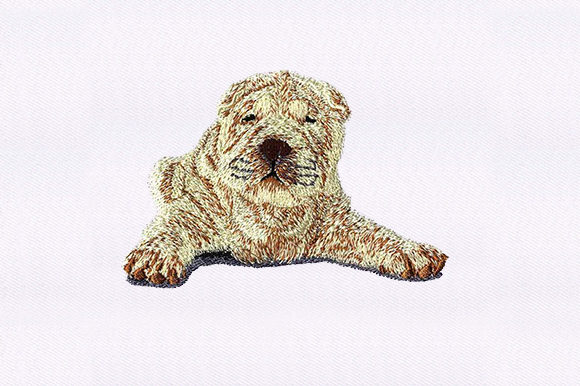
The Shar-Pei design has a quiet, dignified charm that feels both nostalgic and comforting. It does not shout for attention. Instead, it invites the viewer in with gentle folds and a peaceful expression, which is exactly the kind of emotional tone that resonates during holiday seasons. Whether you are building a Christmas collection, a Thanksgiving home decor set, or a winter gift bundle, this embroidery file brings a sense of loyalty and warmth that buyers connect with emotionally.
From a decorative standpoint, the design sits comfortably in the cozy and premium range. It is not overly ornamental, but the detail in the facial folds and the calm posture give it a refined, almost artistic quality. This makes it suitable for personalized gifts that feel special rather than mass-produced. For holiday embroidery, that distinction matters a great deal. Shoppers during the festive season are often looking for something that feels personal, and this design supports that need beautifully.
How Shar-Pei Performs in Real Holiday Selling Situations
I have tested hundreds of embroidery designs in real selling scenarios, and the Shar-Pei holds up well across multiple product categories. Here is how I see it performing in typical holiday selling environments:
- Etsy listings and holiday shops: The design photographs well. Its clear outlines and moderate stitch density create a crisp appearance in product photos and printable mockups. This is critical for conversion during the holiday rush when shoppers scroll quickly.
- Gift bundles: Pair a Shar-Pei embroidered tote bag with a matching kitchen towel, and you have an instant gift set. The design works across fabric types, which makes bundling easy.
- Craft fair displays: The design stands out on table linens and pillow covers. Its calm presence draws customers who appreciate subtle decor over loud seasonal prints.
- Limited edition apparel: Sweatshirt embroidery with this design feels like a premium drop. It works well for family matching items, especially when stitched in neutral or earth-tone thread colors.
- Social media previews: The Shar-Pei is recognizable and shareable. Dog lovers are a highly engaged audience, and this design generates comments and saves during seasonal promotions.
- Home decor: Embroidered patches on pillow covers or ornament designs add a handmade touch that feels intentional and giftable.
For Etsy sellers and small shop owners, the ability to offer the same design across multiple product types is a huge advantage. You can create a cohesive collection without needing to source new embroidery files for each item. This consistency builds brand recognition and customer trust during the holiday shopping period.
Where to Use Shar-Pei Carefully
No embroidery design is perfect for every surface, and the Shar-Pei has a few considerations that deserve attention. Based on my experience testing this file on various substrates, here is where I recommend caution:
- Small hoop sizes: If the design is scaled down too aggressively, the facial folds may lose definition. Always confirm the hoop size before stitching smaller items like ornaments or baby bibs.
- Tiny lettering or layered details: The Shar-Pei is not a dense design, but if you add text or secondary elements, make sure they do not crowd the main motif. Keep the focus on the dog itself.
- Thick towels or high-pile fabrics: Terry cloth and thick towels can absorb stitches and distort the design. Use a stabilizer rated for medium to high density, and test a sample before committing to a batch.
- Dark fabric: The design works best when there is contrast between the thread colors and the fabric. On dark fabrics, you may need to adjust thread colors or use a lighter underlay to maintain visibility.
- Metallic thread: I would not recommend metallic thread for this design. The folds require clean, stable stitching, and metallic thread can cause skipped stitches or breakage.
- Stretchy garments: On items like knit sweatshirts or performance wear, use a cutaway stabilizer to prevent distortion. The design itself is not overly dense, but stretchy fabric can pull the stitches out of alignment.
- Curved caps: Cap frames add tension. If you stitch this design on a cap, test the placement and hoop size first to avoid puckering.
- Items needing repeated washing: For kitchen towels, aprons, or baby items, use a high-quality stabilizer and confirm that the thread colors are colorfast. The design should hold up well, but always test a sample through multiple wash cycles.
Seasonal Appeal, Buyer Emotion, and Product Value
The Shar-Pei design taps into a deep emotional well during the holiday season. Buyers are not just purchasing a product—they are purchasing a feeling. The calm, loyal expression of this design evokes nostalgia and comfort, which are exactly the emotions that drive holiday sales. Whether it is a gift for a dog owner, a memorial piece, or a decorative item for the home, the design carries a sentimental weight that elevates its perceived value.
From a giftability standpoint, the Shar-Pei works across age groups. It is not too childish, not too formal. It sits in a sweet spot that appeals to both younger buyers looking for cute decor and older shoppers seeking elegant, meaningful gifts. This broad appeal is a major advantage for handmade gift makers and apparel decorators who want to maximize their seasonal inventory without overcomplicating their product line.
In terms of visual recognition, the Shar-Pei is distinctive. It does not get lost in a sea of generic holiday designs. When a customer sees this design on a sweatshirt embroidery piece or a tote bag design, they immediately recognize the breed and the care that went into the stitching. This recognition builds trust and encourages repeat purchases during the holiday shopping cycle.
Practical Embroidery Designer Notes for Seasonal Production
Before you add the Shar-Pei to your seasonal collection, here are the practical steps I recommend taking. These are not generic tips—they come from real stitched samples and production planning for holiday drops:
- Test thread colors on both light and dark fabric. The design looks different on white canvas versus heather gray or navy. Run a full stitch test on each fabric color you plan to use.
- Check stitch density. The Shar-Pei has moderate density, but you should confirm the exact count in your software. If the density is too high for your chosen fabric, adjust the underlay or reduce the stitch count slightly.
- Confirm hoop size. Always verify the hoop size required for this design before cutting fabric or preparing orders. A mismatch here can ruin a batch of holiday products.
- Use proper stabilizer. For medium-weight fabrics, a tear-away stabilizer may work. For stretchy or thick fabrics, use a cutaway stabilizer. Test a sample with your specific fabric and stabilizer combination.
- Create realistic mockups. Use printable mockup tools to show the design on sweatshirts, tote bags, and pillow covers. Customers respond better to mockups that show the design in context.
- Review small details after stitching. The facial folds are the defining feature of this design. After your first test stitch, examine the folds closely. If any details are lost, adjust the thread tension or scaling.
- Plan matching color palettes. The Shar-Pei works beautifully in warm browns, soft grays, and cream tones. For holiday collections, consider pairing it with deep red, forest green, or navy accents.
- Confirm commercial licensing. Before you sell finished seasonal products using this digital embroidery file, review the license terms. Many commercial embroidery licenses allow you to sell finished goods, but always confirm the specifics.
Final Thoughts on Adding Shar-Pei to a Seasonal Collection
After reviewing the Shar-Pei design from every angle—stitch quality, emotional tone, product versatility, and seasonal selling potential—I can confidently recommend it for holiday and seasonal product lines. It is a machine embroidery design that brings both aesthetic value and emotional resonance. For embroidery sellers, holiday product creators, and small shop products, this is a design that can anchor a collection or complement an existing lineup.
The Shar-Pei does not rely on seasonal clichés. It stands on its own as a thoughtful, well-crafted embroidery file that happens to work beautifully within a holiday context. Whether you are stitching it on a pillow cover, an embroidered patch, or a kitchen towel embroidery piece, the result is a product that feels personal, premium, and gift-ready. That is exactly what holiday shoppers are looking for, and exactly what this design delivers.
If you are planning your next seasonal drop, give the Shar-Pei a serious look. Test it on your chosen fabrics, run your mockups, and prepare your listings. This is a design that can earn its place in your collection and in your customers' homes.