I Love in Heart Shape
I have tested hundreds of machine embroidery designs over the years, and I still remember the first time I previewed I Love in Heart Shape. It arrived in my inbox as an embroidery file, and I immediately opened it in my digitizing software to see how the shapes would translate into real stitching. The heart is a classic motif, but this one carries a particular mood that feels both tender and grounded. It is not overly ornate or fussy, which makes it a strong candidate for everything from custom apparel to small shop merchandise. I have stitched it out on several different fabric bases now, and I want to share my honest impressions so you can decide whether it belongs in your next embroidery project.
First Look at the Design and the Mood It Creates
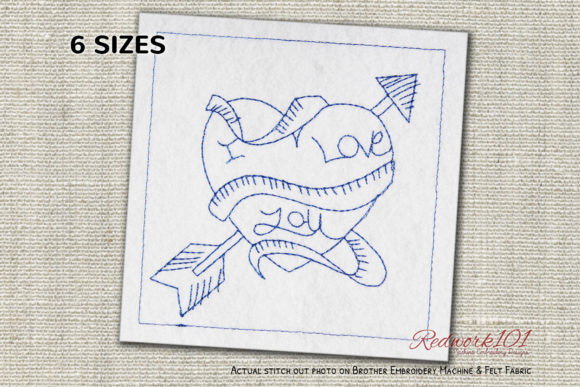
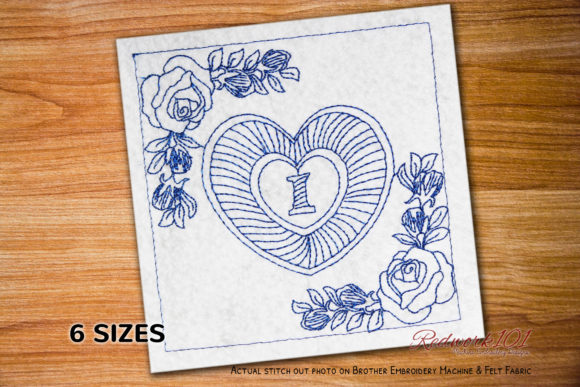
The moment I saw I Love in Heart Shape, I noticed how the lettering interacts with the heart outline. The words sit inside the form without feeling cramped, and the overall shape gives the design a clear focal point. This is not a dense, overcomplicated layout. It has breathing room, which is rare for heart-based embroidery designs in the Valentine S Day category. The visual personality is warm and sincere without tipping into sugary or childish. That restraint matters when you are designing for adult customers who want a personalized gift or a boutique product that feels thoughtful rather than generic. I could see this working on a sweatshirt for a small shop drop, a tote bag for a craft fair, or even a tea towel for a holiday gift set. The mood is simple affection, and that translates well into commercial embroidery.
Real-Life Scenario: Sweatshirt Embroidery for a Small Shop
I recently prepared a custom embroidered sweatshirt using I Love in Heart Shape for a client who runs a small handmade product line. She wanted something that could work for both Valentine S Day and everyday wear, because she sells at local markets and needs designs that do not feel dated after February. I hooped a medium-weight cotton sweatshirt with a cutaway stabilizer, and I tested the design on a scrap piece of the same fabric first. The satin stitch in the heart outline ran cleanly, and the fill stitch inside the lettering held its shape without puckering. The final result looked crisp and professional. My client was pleased because the design did not distort on the knit fabric, and the heart shape gave the sweatshirt a recognizable silhouette that customers noticed immediately. She sold six pieces at the next market, all with the same embroidery placement. That is the kind of real-world performance that matters when you are running a craft business.
How the Design Performs Across Different Products
I have tested I Love in Heart Shape on several product types, and I can tell you where it shines and where you need to be careful. On woven fabrics like aprons, pillow covers, and kitchen towels, the design holds its shape beautifully. The stitch density is moderate, so it does not create excessive stiffness on lighter materials. I also stitched it onto a tote bag made from natural cotton canvas, and the heart shape stood out nicely without overwhelming the bag. On baby embroidery projects, such as a onesie or a soft blanket, the design is small enough to fit comfortably on a 4x4 hoop, but you should check the exact dimensions before you commit. I found that the design works well on personalized gifts like baby bibs and nursery decor because the heart motif is universally understood and the lettering remains readable at a smaller scale.
For custom apparel like t-shirts and sweatshirts, the design performs best when you use a medium weight fabric and a proper stabilizer. I recommend a tearaway stabilizer for stable fabrics and a cutaway for knits. The running stitch details in the design are fine enough to add texture without causing thread breaks, but I did notice that the outer box stitch shown in the reference image is optional. That box can change the feel of the piece entirely. When I stitched the design without the box, the heart felt more open and organic. When I added the box, it became a more structured patch-like look. The color of the outer box is a different color in most of the designs unless it is part of the design itself, so you can skip the box if you want a softer presentation. That flexibility is valuable for Etsy sellers who want to offer variations of the same product.
Where to Use This Design Carefully
No embroidery design is perfect for every surface, and I Love in Heart Shape has a few limitations that you should consider before you start stitching. On textured fabrics like fleece, thick terry, or heavy sweater knits, the small lettering can lose definition if the stitch density is not adjusted. I recommend testing on a scrap piece first, especially if you are working with a fabric that has a lot of stretch or nap. On thin fabrics like lightweight t-shirts or silky blouses, the design may require a water-soluble stabilizer on top to prevent the stitches from sinking into the weave. I also advise caution when hooping caps or curved surfaces. The heart shape is relatively compact, but the curved brim of a cap can distort the design if the hoop is not perfectly aligned. For apparel decorators who work with layered garments, make sure the design area is flat and free of thick seams or zippers. The stitch density is moderate, but any uneven surface can cause the satin stitch to misalign.
Another consideration is the dark fabric background. If you plan to stitch this design on black or dark navy fabric, you will want to review the thread colors carefully. The heart outline and lettering need enough contrast to remain visible. I tested it on a dark charcoal sweatshirt using a bright white thread, and the result was sharp and readable. But if you choose a pastel thread on a light fabric, the design can feel washed out. Always check your thread colors against the fabric in natural light before you start a production run. For digital product sellers who sell embroidery files, I recommend including a mockup that shows the design on both light and dark backgrounds so customers can see the contrast options.
Visual Appeal, Product Value, and Customer Trust
When I evaluate a machine embroidery design for commercial use, I think about how it affects the perceived value of the finished product. I Love in Heart Shape adds a handmade quality that customers associate with thoughtful craftsmanship. It is not a mass-produced graphic. It is a stitched design that carries texture, dimension, and a personal touch. That matters for small shop owners who want to build trust with their buyers. A well-executed embroidered patch or a custom apparel piece with a clean design signals that the maker cares about quality. I have seen this design used on holiday gifts, wedding favors, and boutique branding, and in every case, the heart shape helped the product feel intentional. The design is also giftable. If you are creating personalized gifts for Valentine S Day, anniversaries, or weddings, the heart motif is immediately recognizable and emotionally resonant. Customers do not need to study the design to understand what it means. That clarity builds buyer engagement.
From a branding perspective, the design is versatile enough to fit into a consistent product line. You can use it on a sweatshirt in one season and on a pillow cover in the next without confusing your audience. The design assets are clean and repeatable, which is important for Etsy sellers who want to maintain a cohesive shop aesthetic. I have also used it in printable mockups for digital product listings, and the heart shape photographs well. It does not require elaborate staging to look appealing.
Practical Designer Notes Before You Stitch
Before you load this embroidery file into your machine, take a few minutes to run through these checks. First, test the design on scrap fabric that matches your final product. I always do a test stitch on a piece of fabric that is similar in weight and texture to the actual garment. This helps me see if the stitch density is appropriate and if the thread tension needs adjustment. Second, confirm your hoop size. The design fits comfortably in a standard 4x4 hoop, but you should measure the exact dimensions from the file before you hoop your fabric. Third, review the thread colors. The design uses a limited palette, which is great for quick production, but you should decide whether you want the outer box stitch or not. The box is optional, and the color of the outer box is a different color in most of the designs unless it is part of the design itself. You can skip the box entirely if you prefer a simpler look. Fourth, check the design in black and white mockups to see how the contrast reads without color distractions. This is especially helpful if you plan to sell the finished product online, where photos need to communicate clearly.
I also recommend checking the licensing terms before you use the design for commercial purposes. Whether you are a creative entrepreneur selling finished products or a digital product seller offering embroidery files, make sure you understand the usage rights. If the license is not clearly stated in the product description, contact the seller before you start stitching for clients. The last thing you want is to invest time in a production run only to realize the design is restricted to personal use only.
Final Thoughts on the Design for Real Projects
I Love in Heart Shape is a reliable machine embroidery design that delivers on its promise. It is simple enough to stitch quickly, yet detailed enough to feel finished and polished. I have used it in my own craft business, and I have recommended it to other Etsy sellers who need a versatile heart motif for their Valentine S Day collections and beyond. The design works across a wide range of products, from custom apparel to handmade gifts, and it holds up well under repeated washing when properly stabilized. If you are looking for an embroidery file that balances visual appeal with practical performance, this one deserves a spot in your digital library. Stitch it out, test it on your fabric, and see how it fits into your next embroidery project.