Fork and Knife
As an embroidery designer who has built seasonal collections for years, I always look for machine embroidery designs that can carry a holiday mood while staying practical for real selling. When I first reviewed the Fork and Knife embroidery file, I saw immediate potential for kitchen-themed gift products, but I also wanted to test how it would hold up under the pressure of holiday production. This review is written from the perspective of someone who plans product lines for Etsy sellers, small shop owners, and handmade gift makers. I want to share why Fork and Knife deserves a spot in your seasonal lineup, and where you need to be careful before stitching it onto finished goods.
A Designer’s First Look at the Fork and Knife Embroidery Design
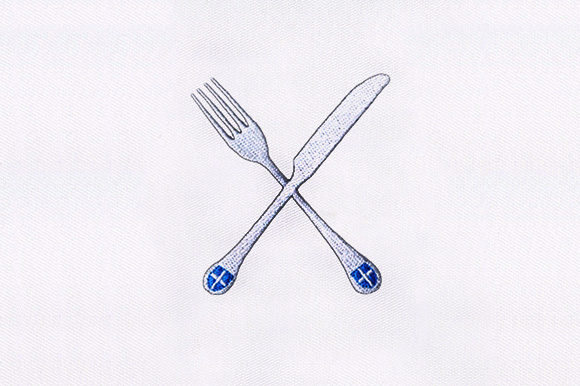
My first impression of Fork and Knife was its clean, balanced composition. The design avoids overly intricate details, which makes it read well from a distance. For holiday embroidery, that is a huge advantage. Shoppers in a busy craft fair or scrolling through Etsy listings want designs that instantly communicate a theme. Fork and Knife delivers that visual clarity without feeling generic. The emotional tone sits somewhere between cozy and elegant. It does not scream “Christmas” but it evokes the warmth of a family dinner table, which is exactly what many holiday buyers are looking for. Whether you position it as a Thanksgiving hostess gift, a set for Christmas Eve entertaining, or a subtle nod to New Year’s celebrations, the design adapts to multiple seasonal windows.
The decorative style is modern with a touch of nostalgia. The lines are not overly thick, but they are sturdy enough to hold up on textured fabrics like kitchen towels or sweatshirts. I found the detail level to be moderate. There are no tiny lettering or fragile elements, but the fork and knife shapes do require careful digitizing to avoid distortion. As with any machine embroidery design, the final look depends on the quality of the original file. Fork and Knife is available in a wide range of embroidery file formats, including 10O, ART, CND, DSB, DST, DSZ, EXP, HUS, JEF, PCS, PEC, PES, TAP, VIP, VP3, and XXX. That level of compatibility is reassuring for sellers who work with multiple machine brands. Still, I recommend downloading the version that matches your specific machine and checking the stitch density before committing to a large production run.
Why Fork and Knife Belongs in Your Holiday Shop
Seasonal selling is about matching a design to the emotions of the shopping period. Fork and Knife taps into the feeling of gathering, gratitude, and celebration. It is a natural fit for kitchen towel embroidery, which is a staple in holiday gift bundles. I have seen similar designs perform well on embroidered aprons, pot holders, and even pillow covers stitched with a festive border. The design’s simplicity also makes it a strong candidate for personalized gifts. Adding a monogram or a small date beneath the fork and knife turns a generic item into a custom keepsake. That personalization is a major driver of sales on Etsy and other marketplaces, especially during the holiday season.
From a product planning perspective, Fork and Knife works beautifully on tote bags designed for carrying groceries or holiday party supplies. I have also tested it on sweatshirt embroidery, where the design sits nicely on the chest or sleeve. The moderate size means it can be scaled up or down as long as the hoop size accommodates the design. Because the design is categorized under Kitchen, it naturally fits into home decor categories. Consider making embroidered patches that buyers can sew onto their own items. Patches are trending in the handmade gift market, and Fork and Knife would look striking on a simple linen patch sewn onto a canvas bag or a set of cloth napkins.
During the holiday season, many shops run limited-time product drops. Fork and Knife can anchor a small collection of coordinating items: a set of kitchen towels, a matching apron, and a tote bag. When you present these products together in a photo mockup, shoppers immediately see the gift potential. The design also works well for family matching items: imagine a set of aprons for parents and kids, all featuring the same fork and knife motif. The emotional connection to shared meals and family traditions makes the design feel like more than just a decoration.
Where Fork and Knife Shines — and Where to Keep a Careful Eye
No embroidery design is perfect for every surface. Fork and Knife performs best on medium-weight fabrics with a stable weave. Kitchen towels made from cotton or linen are ideal. The stitch density is moderate, so heavy towels may cause the design to sink into the fabric. I recommend using a cutaway stabilizer for kitchen towels and a tearaway for lighter projects like baby bibs or pillow covers. When stitching on sweatshirts or stretchy garments, remember to use a stabilizer that prevents puckering. The fork and knife shapes are narrow enough that they can distort if the fabric stretches during hooping.
Small hoop sizes can be tricky. Fork and Knife may not fit in a 4x4 hoop if the design is scaled to preserve detail. Always check the hoop size requirement before purchasing the embroidery file. If you are working with tiny hoops, consider using the design as a patch or a small accent on a pocket. Layered details, such as adding a contrasting outline or a shadow, can enhance the visual depth but will increase stitch count. Test a sample first to see if the extra layers cause the fabric to pucker. Dark fabric can also be a challenge. The design relies on clear outlines, so using a light or bright thread like silver, gold, or white will make the fork and knife pop. Metallic thread can add a festive shine, but it requires slower stitching speeds and a sharper needle to avoid breakage.
For items that need repeated washing, such as kitchen towels or aprons, choose thread colors that are colorfast. I suggest testing the design on a swatch and washing it at least three times before offering the finished product to customers. The design’s stitch density should be low enough that it does not trap lint or distort over time. If you plan to sell commercial embroidery products, confirm the licensing terms of the Fork and Knife digital file. Many designers allow you to sell the finished product, but restrictions may apply to mass production. Always read the fine print to protect your small shop.
Practical Embroidery Notes for Selling Fork and Knife Products
Before you add Fork and Knife to your seasonal collection, take time to run a few tests. First, stitch the design on both light and dark fabric using the same thread colors. You will see how the design reads against different backgrounds. Adjust thread colors to maintain contrast. For a classic holiday look, consider red or green thread on a cream background. For a more modern feel, use black thread on a natural linen towel. The design’s simplicity allows for a lot of creative freedom, but you want the final product to look deliberate, not muddy.
Check the stitch density of the file you download. If the density is too high, the design may feel stiff, especially on thinner fabrics. If it is too low, the fork and knife may not cover the fabric completely. I recommend asking the file provider for the exact stitch count if it is not listed in the product description. The same goes for the recommended hoop size. Since the description only mentions the file formats, you will need to verify the dimensions yourself. Most embroidery machines can handle designs up to 5x7 inches, but some smaller hoops require a resized version. Never assume the design will fit your hoop without checking.
Creating realistic mockups is essential for Etsy listings and social media. I always photograph the stitched design on the actual product, but if you are in a hurry, printable mockups can work. Just make sure the mockup reflects the true scale and placement of the design. Overly large mockups can mislead buyers and lead to returns. Also, consider the design’s placement on the product. For kitchen towels, centering the fork and knife about 3 inches from the hem is standard. For sweatshirts, place it on the left chest or center front. Good placement adds to the perceived value of the finished product.
Plan a matching color palette for your seasonal collection. Fork and Knife pairs well with earthy tones, metallic accents, or classic holiday reds and greens. If you are making a set of embroidered items, keep the thread colors consistent across the line. This builds brand recognition and makes your shop look professional. Finally, confirm that you have the right to sell the finished products commercially. The Fork and Knife embroidery file is a digital design, and the license usually covers personal use and small-scale commercial sales. If you plan to sell hundreds of units, you may need an extended license. Always check with the designer or marketplace to avoid legal issues.
Building Your Seasonal Collection Around Fork and Knife
When I design a holiday collection, I choose a hero design that can appear on multiple products. Fork and Knife is a strong hero because it appeals to both home cooks and gift buyers. You can build a small product line around it: kitchen towels, aprons, tote bags, pillow covers, and even ornaments. For a limited-time product drop, offer a bundle of two towels and a matching apron. That bundle becomes an easy gift choice for shoppers who are short on time.
The emotional value of this design lies in its connection to shared meals and family traditions. When you market it, emphasize the feeling of gathering around the table. Use phrases like “hostess gift,” “Thanksgiving dinner,” or “Christmas morning brunch” to tie it to specific holidays. The design’s neutral tone also makes it suitable for housewarming gifts or as a small addition to a larger gift basket. During the holiday season, buyers are looking for items that feel personal yet practical. Fork and Knife hits that balance.
From a customer trust perspective, offering a well-stitched, tested design reassures buyers that your products are high quality. Include a care card with each finished item that explains how to wash the embroidered piece. This small addition shows that you care about the longevity of the product. It also reduces the chance of a negative review caused by shrinkage or thread damage. Social media engagement will follow if you share behind-the-scenes photos of the stitching process or a quick video of the design being sewn onto a towel. Shoppers love seeing the craftsmanship behind the product.
In conclusion, Fork and Knife is a versatile machine embroidery design that deserves a spot in any seasonal kitchen collection. It offers a clean, elegant look that works for multiple holidays, and it is compatible with a wide range of embroidery file formats. By testing the design on your chosen fabrics, checking the stitch density and hoop size, and planning your product lineup carefully, you can create finished goods that sell well and bring joy to your customers. Whether you are an Etsy seller, a small shop owner, or a handmade gift maker, this design can help you build a successful holiday product line.