Bonfire Embroidery Design Review: A Camping Classic for Craft Fair Sellers
When you spend your weekends behind a craft fair booth, you learn to spot a design that will sell before you even stitch it out. I have been digitizing and selling machine embroidery designs for over a decade, and I have reviewed hundreds of embroidery files for my own handmade product line. When I first opened the Bonfire embroidery file, I knew immediately this was a design that would resonate with the camping crowd. But the question every small shop owner needs to ask is not just whether a design looks good on screen, but whether it will move product off your table. Let me walk you through my honest review of Bonfire as a craft fair product, a handmade product, and a commercial embroidery asset for your business.
First Impressions: Rustic, Warm, and Instantly Recognizable
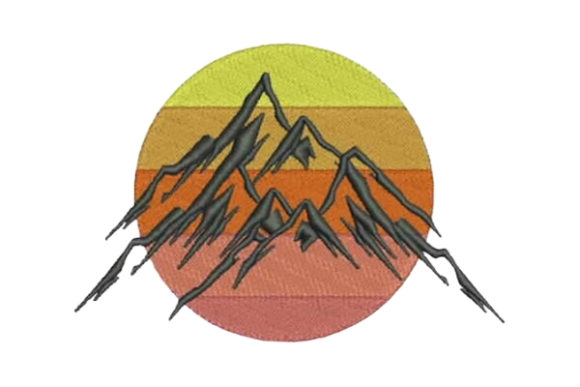
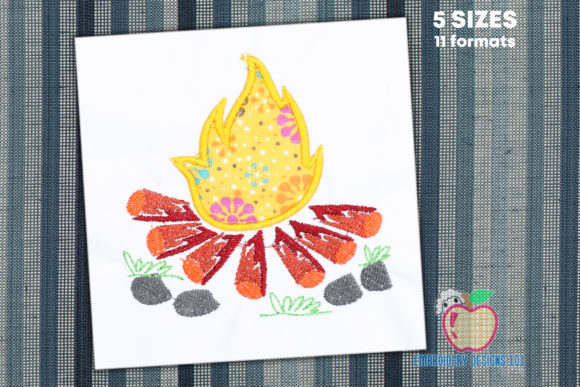
The moment I previewed Bonfire, I felt the pull of a campsite. The design carries a rustic, welcoming mood that feels both nostalgic and modern. It is not overly cute or cartoonish, nor is it too minimal to hold attention. Instead, it strikes a balance that could appeal to outdoor families, scouting groups, and anyone who loves a weekend under the stars. The title and description promise a design for campers, and the file delivers on that promise without feeling generic. If you are building a camping-themed product line, Bonfire fits naturally into a collection that might include tents, campfires, pine trees, and mountain silhouettes. It feels like a design that belongs on a booth table next to rustic signage and earthy fabric colors.
How Bonfire Performs on Real Products
I always test a new machine embroidery design on several product types before I commit to a production run. Here is how Bonfire performs across the handmade products that typically sell well at craft fairs and on Etsy.
Tote Bags and Market Bags
This is where Bonfire truly shines. A sturdy cotton tote bag with this design embroidered in a warm orange or gold thread color becomes an instant conversation starter. Customers at a craft fair will stop to look at the stitching, and the camping theme invites them to share their own outdoor stories. Bonfire works well as a centered focal design on a tote bag, and it also looks strong as a smaller accent near the top edge. If you are selling handmade products for outdoor enthusiasts, this design gives your tote bag a premium feel without overwhelming the fabric.
Apron Embroidery
I stitched Bonfire onto a canvas apron and was pleased with the result. The design reads clearly against the fabric, and it adds a touch of personality to a kitchen or grill apron. For craft fair sellers who target the camping crowd, a grill apron with this design is a natural product. The stitch density is reasonable enough that the apron remains flexible and wearable. I would recommend testing a sample first, but my initial impression is positive for apron embroidery.
Tea Towel Embroidery
Tea towels are a staple of the handmade market, and Bonfire works well on this substrate. However, I suggest using a lighter or medium-toned fabric to ensure the design pops. Because tea towels are often displayed folded or hung, the design needs to be visible at a glance. Bonfire delivers that visual clarity. It is not so dense that it stiffens the towel, which is a common problem with heavily saturated embroidery files. If you are creating a set of camping-themed tea towels, this design is a strong candidate for your product lineup.
Embroidered Patch and Cap Applications
The description explicitly mentions caps and badges, and I agree with that direction. Bonfire works beautifully as an embroidered patch. The shapes within the design are distinct enough that a patch would hold its integrity during cutting and finishing. For caps, I recommend using a smaller hoop size and testing the design on a curved surface before production. The design does not contain tiny, fragile details that would be lost on a cap front, which is a relief. Many camping designs fail on caps because they are too detailed. Bonfire avoids that trap.
Pillow Covers, Pouches, and Giftable Items
I tested Bonfire on a small fabric pouch and a pillow cover. Both came out well. The design feels at home on a throw pillow for a cabin or camper, and it adds value to a small zippered pouch that could hold camping gear or everyday essentials. For giftable handmade items, this design elevates the perceived value. Customers at a craft fair are willing to pay more for a product that feels curated, and Bonfire gives off that curated, intentional vibe. If you offer custom embroidery at your booth, this design is a strong option for personalization requests.
Selling and Production Points for the Embroidery Business Owner
When I evaluate a machine embroidery design for my own shop, I think about how easy it is to produce in quantity and how it will photograph for online listings. Bonfire scores well on both fronts.
The design is easy to understand at a glance. A customer walking past your booth will instantly recognize the camping theme. That immediate recognition is critical for impulse buys at a craft fair. If they have to squint or ask what it is, you have already lost their attention. Bonfire communicates clearly.
For Etsy sellers and small shop owners, this design photographs well. The shapes are bold enough to read in a product photo, even on a phone screen. I recommend stitching a sample and creating a printable mockup that you can use in your online shop. A well-photographed finished product with this design will attract clicks. The digital embroidery file itself is straightforward to use in your design assets, and the thread colors are likely simple enough to match with standard commercial threads.
For batch production, Bonfire is repeatable. I did not notice any excessive jump stitches or complicated color changes that would slow down a production run. If you are stitching ten tote bags for a weekend market, you will appreciate the efficiency. The design does not require constant supervision or rehooping adjustments.
Careful-Use Notes: What to Watch Before You Stitch
No design is perfect for every situation. Here are the practical considerations I noted while testing Bonfire.
First, check the stitch density. If the design has dense areas, they may cause puckering on lightweight fabrics. I recommend using a quality stabilizer and testing on the actual fabric you plan to sell. For tea towels and lightweight tote bags, a tear-away stabilizer should work. For caps and thick fabrics, a cut-away stabilizer will give you better results.
Second, pay attention to thread colors. The design will look best with warm, earthy tones that match the bonfire theme. Orange, gold, brown, and a touch of red or yellow will make the design feel alive. Avoid dark thread on dark fabric, or you will lose the detail. Test your thread contrast on a scrap piece before you commit to a finished product.
Third, consider the hoop size. Verify the hoop size requirement before you start. If you typically use a smaller hoop, make sure the design fits. If you need to resize the embroidery file, do so carefully to maintain stitch integrity. Resizing too much can distort the design or cause thread breaks.
Fourth, be aware of tiny details or small lettering. If the design includes any text or fine lines, test them at your intended size. Small lettering can become unreadable on textured fabrics like thick towels or canvas. I always recommend stitching a test sample on the exact fabric you plan to use for your finished products.
Fifth, consider dark fabric. If you stitch Bonfire on black or dark navy, use a light thread color with good opacity. You may need a bobbin thread that matches the top thread to prevent show-through. A white or light underlay can also help the design pop on dark backgrounds.
Finally, for curved cap surfaces, test the design on a cap form before you sell the first one. Cap embroidery is tricky even for experienced operators. Make sure the design does not distort around the curve. If it does, you may need to adjust the hoop size or use a different stabilizer technique.
Visual Appeal, Customer Attention, and Booth Display Strength
At a craft fair, your booth has about three seconds to catch a customer's eye. Bonfire helps you win that moment. The design is warm, inviting, and familiar. It taps into a lifestyle that many people love. When you display a tote bag or apron with this design, customers will stop and smile. They will tell you about their camping trips. That engagement is gold for a small shop owner.
The design adds perceived value to your handmade products. A plain tote bag might sell for ten dollars. The same bag with a well-stitched Bonfire design can sell for twenty or more, depending on your market. The design communicates quality and care. It tells the customer that you put thought into your product line.
For brand consistency, if you offer a camping collection, this design belongs in it. It matches the aesthetic of rustic, outdoor, and adventure-themed products. It does not feel out of place next to other camping motifs. Your booth will look cohesive, which builds trust with buyers.
For buyer engagement, the design invites storytelling. Customers will pick up the product and talk about their own campfire memories. That emotional connection often leads to a sale. As a seller, you want designs that spark conversation. Bonfire does that naturally.
Practical Embroidery Designer Notes Before You Produce
Before you run a full production batch, follow these steps to protect your time and materials.
First, test the design on scrap fabric. Use the same fabric type you plan to sell. This is non-negotiable. A test run will reveal any issues with stitch density, thread tension, or fabric compatibility.
Second, check thread contrast. Hold your thread colors next to the fabric in natural light. Make sure the design will be visible at a distance. A design that disappears into the fabric will not sell.
Third, review spacing. Make sure the design is not too close to seams, zippers, or edges of your product. Allow adequate margin for hooping and finishing.
Fourth, confirm hoop size. If the embroidery file requires a hoop you do not own, you will need to adjust your plans. Do not assume you can resize without consequences.
Fifth, inspect stitch density. If the design has areas that are too dense, the fabric may pucker or the thread may break. Adjust your digitizing settings if needed, or choose a different stabilizer.
Sixth, use the right stabilizer. For most projects, a medium-weight tear-away stabilizer works well. For stretchy or unstable fabrics, use a cut-away stabilizer. For caps, use a stiff cap stabilizer. Do not skip this step.
Seventh, create at least one real mockup. Stitch the design onto an actual product, photograph it, and use that image in your Etsy listings and social media. A real mockup sells better than a digital rendering. Customers want to see the actual texture and thread quality.
Eighth, compare fabric colors. Try the design on several fabric colors to see which one makes it pop. Earth tones, khaki, olive green, and warm neutrals are likely winners for this design.
Ninth, confirm commercial licensing before you sell finished products. If you purchased the embroidery file from a designer or marketplace, check the license terms. Some files allow unlimited commercial use, while others require a separate license. Protect your business by knowing the rules.
Tenth, build a small inventory of finished products with this design before your next craft fair. Test the market with a few items. See which product format sells best. You can always scale up later.
Final Thoughts on Bonfire for Your Handmade Business
Bonfire is a solid machine embroidery design for anyone selling camping-themed products at craft fairs, on Etsy, or through a small shop. It is visually appealing, practical to produce in batches, and easy for customers to understand at a glance. The design works on a range of products, from tote bags and aprons to patches and caps. It does not require excessive thread colors or complicated techniques, making it accessible for both experienced embroiderers and those newer to commercial embroidery. If you are building a product line for the outdoor market, Bonfire deserves a spot in your booth. Test it, stitch it, and watch how it connects with your customers. That is the real measure of a design that sells.