Beard Goat: A Design Review for Smart Small Business Merch
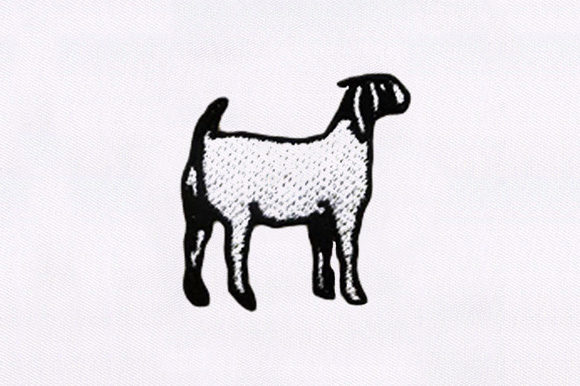
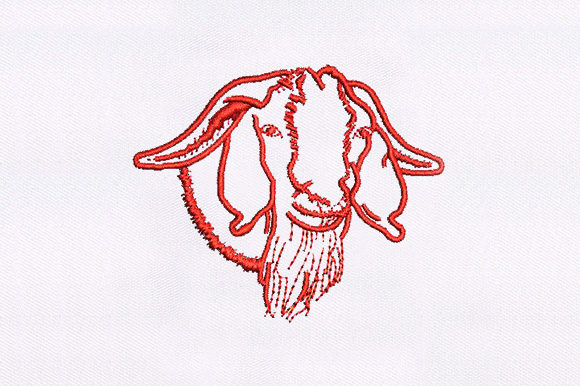
As an embroidery designer who spends countless hours stress-testing machine embroidery designs for commercial viability, I don't just look at how cute a design is. I look at how it sells a brand. When I came across the Beard Goat design in the Farm Animals category, I saw more than just a farm animal. I saw a potential mascot for a craft brewery, a logo for a premium pet grooming salon, or the signature emblem for a farm-to-table café. Let's break down how this digital embroidery file performs under the pressure of real small business merch production.
First Impressions: A Mascot with Instant Character
The name "Beard Goat" immediately sets a tone. It is rustic, slightly whimsical, and undeniably premium. In the world of custom apparel, a mascot like this is gold. It moves beyond generic decoration. It tells a story. For a small business, using an embroidery file like this on an embroidered patch or a chest logo transforms a simple tote bag design or apron into a conversation starter. The "beard" element, in particular, gives it a hipster, artisan, or rugged heritage feel that aligns perfectly with coffee roasters, barbershops, and organic food brands. This is not a sterile, corporate logo. This is a design asset with personality.
Real-World Business Scenarios for Beard Goat
This is where the design's true value is tested. I always ask my clients: "Where will this finished product live?" Here is where Beard Goat performs best in the real economy.
- Embroidered Patches for Staff Uniforms: Imagine a local bakery or a butcher shop. A Beard Goat patch on a crisp white apron or a high-quality cap instantly elevates the brand identity. It signals premium quality before the customer even tastes the product. For a BBQ joint, this patch on a work shirt is a badge of honor.
- Tote Bag Design for Retail: For boutiques and farmers market vendors, a tote bag design is a walking billboard. Beard Goat has the right level of detail to look stunning on a structured canvas tote, provided the stitch density is managed well to avoid puckering on the heavier fabric texture.
- Cap Embroidery: A front-facing cap design needs to be bold and readable. The beard gives it a distinct shape. You will want to test this on a curved surface to ensure the bottom of the beard does not distort. This is a classic application for cap embroidery and it works beautifully when sized correctly.
- Apron Embroidery for Cafés and Breweries: This is a home run. For a craft brewery or a coffee shop, an apron embroidered with Beard Goat creates a cohesive, handmade product look that customers love to photograph for social media. It adds a layer of authenticity to the brand.
- Product Packaging & Branded Merch: Beyond apparel, this machine embroidery design can be used to create intricate labels or patches for product packaging, adding a tactile, premium element to handmade products.
Navigating the Technical Challenges: Stitch Density, Sizing, and Fabric
No design review is complete without a hard look at the technical execution. A machine embroidery design lives and dies by its digitizing. Beard Goat, with its detailed facial features and flowing beard, demands respect. You cannot just buy it, hoop it, and hit go. You must plan.
The Beard Detail: A Double-Edged Sword
The beard is the star of the show, but it can be a pitfall. High stitch density in the beard area can cause issues on light or stretchy fabrics. For caps or small patches, you need to check the stitch count. If the beard is too dense, it might cause the fabric to pucker or the cap front to warp. Always request a test sew or use a reliable preview tool. A professional digitizer will have optimized the paths, but you must verify it against your specific fabric.
Thread Colors and Contrast
I always advise testing this design in black and white first. A monochrome Beard Goat on a dark uniform (like a black apron or navy cap) creates a sharp, iconic brand identity. Using multiple thread colors can add depth, but it increases the cost and complexity of production. For small business merch, a one or two color version is often the most versatile and cost-effective for commercial embroidery runs. Think about how the thread colors interact with the base fabric. High contrast is your friend for small applications.
Hoop Size and Stabilizer Selection
Before you hit "buy," check the required hoop size. A large, detailed Beard Goat might require a 5x7 hoop. If you are planning to use this for cap embroidery or small sleeve logos, you might need a smaller, simplified version of the embroidery file. Use a cutaway stabilizer for structured items like caps and bags, and a tear-away for stable woven shirts. The right stabilizer ensures the finished product looks crisp and professional wash after wash. Ignoring this is the fastest way to ruin a batch of custom apparel.
Elevating Brand Identity and Customer Trust
In the world of handmade products and small business merch, consistency is king. A well-embroidered logo instantly communicates that a business is established, professional, and cares about the details. Beard Goat, when digitized correctly, gives a business a distinct visual anchor. It is memorable. It is shareable. When a customer buys a tote bag design or a cap with this emblem, they aren't just buying an item; they are buying into the story and the aesthetic of the brand. This directly impacts buyer engagement and perceived product value. A poorly executed stitch-out, on the other hand, can damage trust. If your apron has a puckered, thread-filled logo, what does that say about the care you put into your products?
Designer's Production Checklist for Beard Goat
Before you hand this design over to production or start stitching for your Etsy shop, run through this checklist to ensure professional results.
- Verify File Formats: The design is available in an extensive list of formats including 10O, ART, CND, DSB, DST, DSZ, EXP, HUS, JEF, PCS, PEC, PES, TAP, VIP, VP3, and XXX. This is excellent for compatibility, but always confirm your specific machine's requirements before purchasing the digital embroidery file.
- Check Commercial Licensing: If you are producing items for sale – whether it is custom apparel, embroidered patches, or tote bags – you must have a commercial license for the design assets. This is a non-negotiable step for any small business merch creator.
- Create a Printable Mockup: Before wasting thread, create a printable mockup showing the design on a cap, apron, or tote bag. This helps the client or yourself visualize the final item and make sizing adjustments.
- Test on Real Fabric: Run a test sew on the exact fabric you plan to use. A thick canvas tote bag will behave very differently than a polyester baseball cap. Pay attention to how the fabric texture interacts with the stitch density.
- Inspect the Design: Look for jump stitches, unnecessary color changes, and overall density. A well-structured machine embroidery design should be optimized to minimize thread breaks and fabric distortion.
Final Verdict for Small Business Owners
Beard Goat is a fantastic design asset for any small business looking to build a strong, character-driven brand identity. It works exceptionally well for embroidered patches, apron embroidery, and tote bag designs. It carries a premium, rustic, and friendly vibe that resonates with modern consumers. Just be mindful of the technical challenges—specifically stitch density and sizing for caps. Do your due diligence with test sews and stabilizer selection, and this design will deliver a polished, professional finished product that builds customer trust and brand recognition. It is a strong addition to your design assets for commercial embroidery projects.